
Key Highlights
By the end of this post, you’ll understand:
- What remarketing is and how it works
- The difference between remarketing and retargeting
- The main benefits of remarketing for your business
- The types of remarketing campaigns available
- Best practices to make your campaigns more effective
- How to start improving your results with remarketing today
Editor's Note: This blog post was originally posted in October 2014 and was rewritten and updated with new content in August 2023.
Over the last 20 years, a customer's journey to purchase has changed. These days, many purchases occur online, but that doesn't mean they happen faster. User-generated content is 9.8x more impactful than influencer content. And 70% of consumers say that it's important for brands to offer a personalized experience.
Consumers are smarter and more informed than most businesses would like. They scour the Internet for every last review they can find. They check out your main competition, and then they track down competitors you didn't even know you had. The key to success is getting consumers back to your site after they've done their research (of course, the other key is having a user-friendly website that converts, but we'll assume you've got that!). That’s where the benefits of remarketing become clear.
Remarketing lists are crucial elements in your marketing efforts, allowing you to cater your search ads to people who have previously visited your site or used your app. By utilizing platforms like Google Ads, Facebook Ads, and Instagram Ads, you can build a tailored remarketing audience. This isn't just any ordinary list, but a carefully curated collection of potential customers who have shown an interest in your products or services.
| 97% of first-time website visitors leave without converting. Remarketing gives you a second chance to bring them back. |
What is Remarketing?
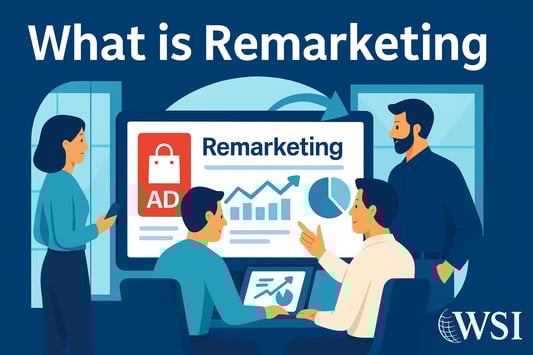
Remarketing is a digital marketing strategy that helps you reconnect with people who have already interacted with your business online. Maybe they visited your website, looked at a product, or added something to their cart but didn’t complete a purchase. Remarketing gives you another chance to reach them with tailored ads as they continue browsing the web or using social media.
Think of it as a gentle reminder to people who already know your brand. Since these users have shown interest, they’re more likely to engage or buy compared to first-time visitors.
Platforms like Google Ads, Facebook, and Instagram make remarketing easy to manage. You can create specific audience lists based on actions users took on your site. For example, someone who viewed a product page might see an ad for that exact product later on.
Remarketing keeps your brand visible while helping you move potential customers closer to conversion. It’s one of the most efficient ways to make your marketing budget go further because you’re focusing on people who already have a reason to care about what you offer
Remarketing vs Retargeting
The terms “remarketing” and “retargeting” are often used interchangeably, but they have slightly different meanings. Both aim to re-engage people who have already interacted with your brand, but they use different methods to do it.
Retargeting usually refers to online ads that follow users after they visit your website or app. For example, if someone checks out a pair of shoes on your site and later sees an ad for those same shoes on Facebook or another website, that’s retargeting. It relies on tracking tools like cookies or pixels to serve relevant ads and remind users of what they viewed.
Remarketing, on the other hand, often focuses on re-engaging existing customers or leads through email or other direct communication channels. For example, you might send an email to users who abandoned their shopping cart or haven’t purchased in a while.
Today, the line between the two has blurred. Many marketers use “remarketing” as a broader term that includes all strategies for reconnecting with past visitors or customers. Whether you call it remarketing or retargeting, the goal is the same: keep your brand in front of interested users and encourage them to take the next step.
How Remarketing Works
Remarketing works by tracking who visits your website and then showing them targeted ads after they leave. It helps keep your brand top of mind and encourages visitors to return when they’re ready to buy.
Here’s how it happens step by step:
- A visitor comes to your website.
They might browse your products, read a blog post, or fill out part of a form before leaving. - A tracking code captures their visit.
A small piece of code, called a pixel or tag, is added to your site. This code places an anonymous cookie in the visitor’s browser so you can recognize them later. - Your ad platforms collect audience data.
Tools like Google Ads, Facebook, or Instagram use that cookie to build a list of users who have visited your site. - You create targeted ad campaigns.
Based on user behavior, you can group visitors into lists, such as people who viewed a specific product or reached the checkout page but didn’t buy, and tailor your ads to each group. - Your ads follow users online.
When these visitors browse other websites or scroll through social media, they see ads reminding them of your products or services. - You bring them back.
The goal is to drive them back to your site to complete their purchase or take another desired action.
Remarketing works because it focuses on people who already know your business. They’ve shown interest once, and a well-timed ad can be the nudge they need to return and convert.
| Use dynamic remarketing to show users the exact products they viewed. Personalized ads drive higher engagement and better conversion rates. |
Why Use Remarketing
Remarketing helps you turn missed opportunities into conversions. Most people don’t buy the first time they visit a website. Remarketing keeps your business visible while they continue to research, compare, and decide.
Here’s why it matters:
- Reconnect with interested visitors.
Remarketing targets people who already know your brand. They’ve shown intent, so your message feels more relevant and personal. - Improve conversion rates.
Reminding users of what they viewed often brings them back to finish the purchase. These audiences convert at a much higher rate than new visitors. - Increase brand recall.
Seeing your ads repeatedly helps people remember your brand when they’re ready to buy. It builds familiarity and trust over time. - Maximize your ad budget.
Since you’re reaching a smaller, more qualified audience, your ad spend goes further. Every dollar works harder when aimed at people already interested in your products or services. - Support other marketing efforts.
Remarketing strengthens your overall digital strategy. It complements SEO, content marketing, and paid search by keeping potential customers engaged across channels.
Remarketing works best when it’s consistent and well-planned. With the right audience segments and clear goals, it can help you close more sales and build long-term customer relationships.
Types of Remarketing
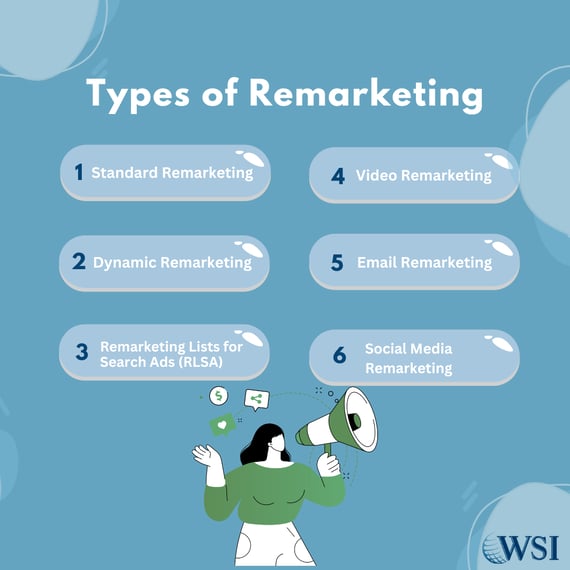
Remarketing can take several forms, depending on how and where you want to reach your audience. Each type helps you reconnect with people who’ve already interacted with your business.
Standard Remarketing
Shows ads to people who visited your website as they browse other websites or apps within the Google Display Network. It’s a simple way to stay visible to past visitors and bring them back.
Dynamic Remarketing
Goes a step further by showing personalized ads that feature the exact products or services visitors viewed. If someone looked at a specific product, they’ll see that same product in your ad later.
Remarketing Lists for Search Ads (RLSA)
Targets users who have visited your site and are now searching on Google again. You can adjust bids or tailor ad copy for this audience to encourage them to return.
Video Remarketing
Reaches people who have interacted with your YouTube channel or watched your videos. Your ads appear across YouTube and the Google Display Network to reinforce your message.
Email Remarketing
Uses email to re-engage existing customers or leads. Common examples include abandoned cart reminders, reactivation messages, or exclusive offers for inactive subscribers.
Social Media Remarketing
Runs ads on platforms like Facebook, Instagram, or LinkedIn to re-engage users who have visited your site or interacted with your content. It’s an effective way to stay connected with your audience where they spend the most time.
Each type supports your broader marketing goals by keeping your brand visible and reminding potential customers to return and take action.
Advantages of Remarketing
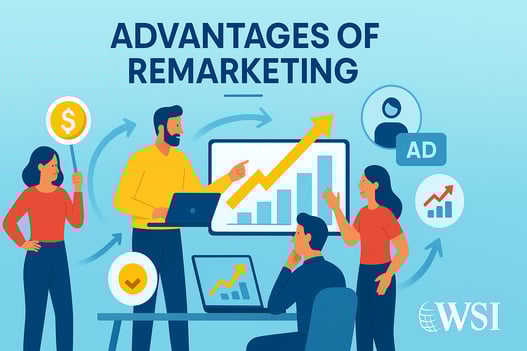
Remarketing helps you stay connected with people who already know your brand. It’s one of the most efficient ways to turn interest into action and boost your marketing return.
Higher Conversion Rates
Remarketing targets users who have already shown intent. Since they’ve interacted with your site or products before, they’re more likely to complete a purchase when reminded later.
Better Brand Recall
Repeated exposure keeps your business top of mind. Even if users don’t click your ad right away, they’ll remember your brand when they’re ready to buy.
Improved ROI
Your ads focus on a smaller, more qualified audience. That means less wasted spend and a stronger return on investment compared to campaigns targeting new visitors.
Personalized User Experience
Dynamic remarketing allows you to show ads tailored to what each user viewed. Personalized messaging increases engagement and helps you build trust.
Support for Other Campaigns
Remarketing works well alongside SEO, paid search, and content marketing. It reinforces your message and keeps potential customers engaged across different channels.
Flexible Targeting Options
You can build remarketing lists based on specific user actions, like viewing a product page, watching a video, or abandoning a cart. This lets you fine-tune your ads and speak directly to each audience segment.
Remarketing gives you a second chance to reach interested users, strengthen relationships, and drive conversions without increasing your overall traffic costs.
| Customers are 70% more likely to buy from a brand they recognize. Staying visible through remarketing builds that familiarity. |
Best Practices for Remarketing
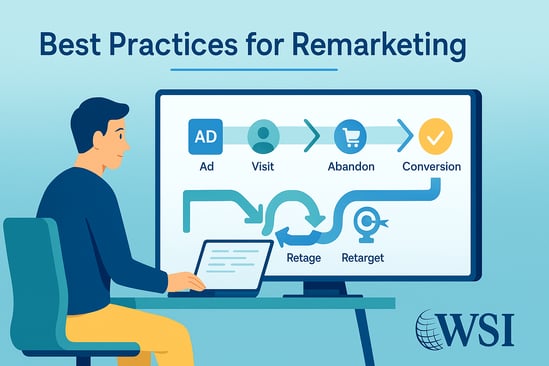
A strong remarketing strategy keeps your brand in front of the right people without overwhelming them. To get the best results, focus on relevance, timing, and clear messaging.
Segment Your Audience
Group visitors based on their behavior. For example, create separate lists for users who viewed a product, added to cart, or completed a purchase. Tailored ads perform better than one-size-fits-all messages.
Set Frequency Caps
Avoid ad fatigue by limiting how often people see your ads. Too many impressions can feel intrusive and hurt your brand reputation.
Use Dynamic Ads
Show users the exact products or services they viewed. Personalized ads improve click-through rates and make your message more relevant.
Exclude Converters
Remove customers who have already purchased from your remarketing lists. Instead, target them with upsell or loyalty campaigns to encourage repeat business.
Align Ad Copy with Intent
Match your message to where the user is in their journey. Use gentle reminders for early visitors and stronger calls to action for users who abandoned a cart or demo form.
Refresh Creative Regularly
Update visuals, headlines, and calls to action to keep your ads fresh. This prevents banner blindness and helps maintain engagement.
Track and Optimize Performance
Review campaign data often. Test new ad variations, adjust bids, and refine audience segments to improve results over time.
When done right, remarketing turns casual visitors into loyal customers. It keeps your brand visible, relevant, and ready when your audience decides to act.
| Always exclude converters from your remarketing list to avoid wasting budget and keep your campaigns focused on new opportunities. |
1. Google Remarketing Strategies: Keep the Conversation Going
60% of shoppers browse a website up to four times before they make a purchase. By serving display ads to users who have visited your site and navigated away, you are staying top of mind throughout the buying cycle. It's very important that your brand pops into the customer's mind at the moment they make a purchase decision, and remarketing enables you to be present when it matters most.
Your approach to remarketing should be dynamic. Dynamic remarketing involves tailoring your ads based on the specific products or services visitors viewed on your site. This type of remarketing is particularly effective in re-engaging potential customers, as it serves them with personalized ads directly related to their previous interests.
2. Grow Your Brand Awareness with Remarketing Campaigns
Boosting your online brand awareness is a huge component of remaining top of mind with your customers. If consumers are aware of you both before (via display ads), they visit your website, and after (via remarketing), chances are they'll view you with a higher degree of trust and credibility. When push comes to shove, emotions play a role in final purchase decisions, which means the more a consumer thinks they know and trust you, the more likely they are to buy from you.
Online advertising is continuously evolving and becoming more personalized. Email remarketing is one of the marketing efforts that allows you to reach your audience in a more personal way, right in their inbox. Similarly, video remarketing lets you show ads to people who have interacted with your videos or YouTube channel. Both strategies can keep your brand at the forefront of the consumer's mind, thereby boosting brand awareness.
3. Increase Website Conversions with Tailored Ads: The Benefits of Remarketing
The majority of your website visitors will stop by once and never return. The users who do find their way back to you are the ones you have the best chance of converting. One way you can increase your chances of converting a returning visitor is through remarketing. People usually have reservations or barriers to purchasing. If you spend time getting to know your audience and have the correct analytics in place, you'll discover some of the common issues your customers have. By addressing some of these barriers to purchase with your remarketing ad messages, you'll have a stream of returning visitors who are primed to buy.
Don't forget about search remarketing, too. It’s a more targeted approach that shows your ads to people who have previously visited your site as they conduct subsequent searches on Google. It’s a powerful way to re-engage those potential customers and guide them back to your website.
4. Maximizing Value from Your Remarketing Campaign & Google Display Network
On average, Google display and remarketing campaigns are the most cost-effective methods of increasing brand awareness and generating a higher conversion rate on your digital property. Cost-per-click or per-impression models allow you to name your price, and targeting options enable you to choose exactly who gets to see your ads. And the best news of all? The moment you notice an ad isn't driving the desired result or is getting too expensive, you can make instant changes. Remarketing is a great fit for many businesses, which is exactly why you should consider a trial campaign for your brand!
One of the benefits of remarketing is its flexibility. From customer list remarketing, where you use data like email addresses to match users on Google, to retargeting campaigns on various social media platforms, you can choose the types of remarketing that best fit your business model and audience. Remarketing to people across different channels broadens your reach and increases the chances of conversions.
We Can Improve Your Remarketing Efforts
In conclusion, remarketing is a powerful tool that can help boost your brand awareness, increase website conversions, and make your marketing budget go further. By keeping the conversation going, growing your brand awareness, addressing common barriers to purchase, and utilizing different remarketing channels, you can entice previous visitors to return to your website and convert them into loyal customers. As the customer journey continues to evolve, it's important to stay ahead of the game and utilize all available marketing tactics to stay top of mind with your customers. So why not give remarketing a try and see how it can benefit your brand?
Speak to an expert to help you get started with remarketing!
FAQs about Remarketing#1. What is remarketing in simple terms? Remarketing is a strategy that helps you show ads to people who have already visited your website or interacted with your business online. It reminds them of your products or services and encourages them to return. #2. How is remarketing different from retargeting? Retargeting usually refers to showing display or social ads to past visitors. Remarketing often includes email campaigns or broader strategies to re-engage past customers. Today, many marketers use “remarketing” as a general term for both. #3. Does remarketing really work? Yes. Remarketing often delivers higher conversion rates than standard ads because it targets people who already know your brand and have shown interest. #4. Is remarketing expensive? Not usually. Since remarketing focuses on smaller, more qualified audiences, it tends to be cost-effective. You spend a lesson showing ads to people more likely to buy. #5. How do I set up a remarketing campaign? You can set up campaigns through platforms like Google Ads, Facebook, Instagram, or LinkedIn. You’ll need to add a small tracking code (pixel or tag) to your website to collect visitor data. #6. How long should I keep people on my remarketing list? It depends on your sales cycle. For quick purchases, a 7–14 day list might work best. For longer decisions, like services or B2B sales, 30–90 days may be better. #7. Can I use remarketing for mobile users? Yes. You can reach users across devices, including smartphones and tablets, through mobile apps and browsers. #8. Are there privacy concerns with remarketing? Yes, and it’s important to handle them responsibly. Always comply with privacy regulations like GDPR and CCPA, and give users the option to opt out of tracking or personalized ads. #9. Which platforms are best for remarketing? Google Ads and Meta platforms (Facebook and Instagram) are the most common. LinkedIn, YouTube, and X (formerly Twitter) can also work well, depending on your audience. #10. How long does it take to see results? Most businesses start seeing measurable improvements within a few weeks. The benefits of remarketing include higher conversion rates, stronger brand recall, and better ROI because you’re targeting people who already know your business. Results depend on your audience size, ad quality, and how well your campaign aligns with customer intent. |