Key Highlights
- Understand what omnichannel marketing really means.
- See how it differs from multichannel strategies.
- Discover the benefits and common challenges.
- Learn how to build your own omnichannel strategy.
- Spot key trends shaping marketing in 2025 and beyond.
- Explore real-world brand examples.
- Get answers to common questions about omnichannel performance.
Most digital agencies promote themselves as omnichannel marketing experts in their briefs and creative pitches. Omnichannel marketing and other similar terms are the current buzzwords in the marketing world. Some marketers are doubtful and may think these concepts are short-lived, more of a fad. But when approached right, you will understand that it is not so.
So, What is Omnichannel Marketing?
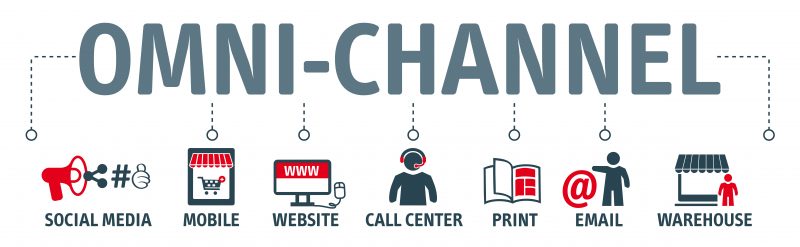
Well, according to Sara Skrmetti, Senior Director, Social in MediaMath, it means aligning your technology, data, metrics, and organizational structure around a single view of the customer across all media touchpoints. It encompasses several things:
- Incorporating data-driven strategies
- Using all the new emerging channels
- Have DSPs for each channel
- Integrating in-store and online channels
- Cross-device marketing
If done correctly, it results in Customer-Centric Marketing, another exciting and modern concept.
The process allows a marketer to find and identify the most valuable customers, and such value should be derived from data about their interests and behaviors. Having this information enables you to deliver personalized ad experiences that can drive online and offline conversions.
Understanding that omnichannel also means reaching the customer at different touchpoints, by implementing customer-centric marketing, also permits understanding the incremental impact that each touch point delivers.
With all this information, a marketer can apply such findings to optimize campaigns and expand the customer base. The opportunity is huge.
All this sounds very good, but how much is reality and how much is theoretical wishful thinking? Well, Skrmetti shares their view of where we are today:
The Good
-
28.2% of UK and US marketers are successfully using customer data to create an omnichannel customer experience
-
More and more channels are becoming programmatically addressable -TV Audio, Digital
-
Growth in Asia and Latin America
-
57% of surveyed digital marketers will be focusing on cross-channel measurement and attribution next year
The Bad
- Advertisers are saying omnichannel, are using the term, but do not know how to get there.
- Marketers have no transparency or ability to integrate data from within Walled Gardens.
- Marketing Departments do not set goals consistent with their business
In other entries, we have talked about the risk of measuring this in silos and not in an integral way, which refers to the same concept of “walled gardens” used here. The main problem is not correlating the measurements from all channels. Breaking these walls can create enormous efficiencies that go beyond just analytics and metrics.
Multichannel vs Omnichannel
Multichannel and omnichannel are both strategies for reaching customers through multiple platforms, but they work differently. Here are the key differences between omnichannel and multichannel marketing:
-3.jpg?width=350&height=197&name=unnamed%20(1)-3.jpg)
Multichannel Marketing
-
Uses more than one platform (e.g., website, social media, email, ads).
-
Each channel operates separately.
-
The message and user experience may differ across channels.
Example: A brand might run separate campaigns on Facebook and email, with different messages and no shared data.
Omnichannel Marketing
-
Connects all channels into one unified experience.
-
Customer data and interactions are synced across platforms.
-
The focus is on the customer journey, not just the channel.
Example: A customer sees a product in an Instagram ad, visits the website later, and gets a personalized email follow-up based on their browsing behavior.
Key Differences
⚠️ Don’t try to connect every channel at once. Start with 2–3 key platforms (e.g., email, website, social) and build from there.
Benefits of Omnichannel
Better Customer Experience
-
Consistent messaging and design across all channels.
-
Customers can switch devices or platforms without starting over.
Result: Higher satisfaction and loyalty.
Increased Engagement
-
Personalized messages based on behavior and preferences.
-
Real-time updates and targeted offers.
Result: More opens, clicks, and interactions.
Higher Conversion Rates
- Seamless buying journey across touchpoints.
- Customers get what they need faster and with less friction.
Stronger Brand Loyalty
-
Unified experiences build trust.
-
Customers feel recognized, not just marketed to.
Result: More long-term relationships, not just one-time buyers.
Improved Data Use
-
All customer data flows into one system.
-
You get a full view of how people interact with your brand.
Result: Smarter decisions and better campaign performance.
More Efficient Marketing Spend
- Cross-channel insights reduce waste.
- Focus resources on the most effective tactics.
Result: Better ROI on every campaign.
Challenges in Omnichannel Marketing
Data Integration
-
Customer data often lives in separate systems (CRM, POS, email, social media).
-
Without proper integration, it’s hard to deliver a consistent experience.
Problem: You can’t track the full customer journey or personalize effectively.
Technology Complexity
- Omnichannel needs tools that sync across channels in real time.
- Many businesses use outdated or incompatible systems.
Problem: Setup becomes expensive, slow, and prone to errors.
Content Consistency
- Every platform needs tailored content, but with a unified voice.
- Managing this across channels takes time and planning.
Problem: Inconsistent branding can confuse or lose customers.
Team Silos
- Marketing, sales, and customer service often work separately.
- Lack of communication blocks a seamless customer experience.
Problem: Customers get different messages depending on who they talk to.
Measuring Performance
- Tracking performance across multiple touchpoints is complex.
- Attribution can be unclear, especially when users switch channels.
Problem: You don’t know what’s working or where to invest.
Customer Expectations
- Omnichannel raises the bar.
- Customers expect quick responses, personalization, and smooth transitions.
Problem: Failing to meet expectations hurts trust and retention.
How to Create an Omnichannel Strategy
Know Your Customers
-
Build detailed buyer personas.
-
Understand where they spend time, how they shop, and what matters to them.
Tip: Use surveys, analytics, and CRM data to map behavior.
-4.png?width=297&height=242&name=unnamed%20(2)-4.png)
Audit Existing Channels
- Review how your website, email, ads, social media, and in-store experiences currently perform.
- Identify gaps or disconnects between channels.
Tip: Check if messaging and branding are consistent.
Align Teams and Tools
- Get marketing, sales, and support teams working together.
- Use integrated platforms (like a CRM that connects with email and social tools).
Tip: A unified tech stack reduces friction and errors.
-3.png?width=234&height=226&name=unnamed%20(4)-3.png)
Centralize Customer Data
- Set up a single view of each customer using data from all platforms.
- Track interactions, preferences, and purchase history.
Tip: Use CDPs or CRM systems to sync data in real time.
Personalize Every Touchpoint
- Use behavior and past interactions to tailor messaging.
- Automate follow-ups based on user actions (e.g., cart abandonment, browsing).
Tip: Start small with personalized emails or SMS.
-2.png?width=303&height=215&name=unnamed%20(6)-2.png)
Create Consistent Content
- Use the same brand voice and visuals across all channels.
- Adapt the format for each platform without changing the message.
Tip: Create reusable content blocks that work across channels.
Test, Measure, Improve
- Track how users move between channels and where they drop off.
- Use this data to improve weak spots in the journey.
Tip: Focus on metrics like CLV, retention rate, and time to conversion.
Start Small, Scale Smart
- You don’t need to do everything at once.
- Pick 2–3 core channels, connect them well, and grow from there.
Tip: Email + website + social media is a solid starting point.
Omnichannel Trends to Watch for
Here are the top omnichannel marketing trends to watch in 2025 and beyond. These reflect what leading analysts and retailers are focusing on as customers continue to expect connected, personalised experiences across channels:
1. Unified Commerce Platforms
Brands are moving from siloed systems to fully unified commerce platforms that combine sales, inventory, fulfilment, and service data in one place. This makes real‑time omnichannel execution smoother and reduces costs like fulfilment and cart abandonment.
2. AI‑Powered Personalisation
AI and machine learning are being used to tailor offers, recommendations, content, and customer journeys across channels in real time. Expect more AI‑driven product suggestions, shopping assistants, and predictive engagement.
3. Mobile and Social Commerce
Mobile shopping remains dominant, and social commerce (shopping inside social platforms) keeps growing. These channels are becoming major parts of omnichannel journeys, especially for Gen Z and younger buyers.
4. First‑Party Data and Privacy‑Friendly Strategies
With third‑party cookies fading and privacy rules tightening, brands are investing in first‑party data collection and use to personalise messaging and build trust while complying with regulations.
5. Phygital and Hybrid Experiences
Physical stores are being reimagined as part of the omnichannel journey, offering services like click‑and‑collect, returns, and in‑store tech tools. Augmented reality (AR) and virtual try‑ons are emerging in some industries to bridge digital and in‑person shopping.
6. Consistent Online + Offline Integration
Customers expect seamless transitions between online browsing and in‑store experiences. Brands are synchronising inventory, pricing, and promotions across channels so the experience feels like one continuous journey.
7. B2B Adopts Omnichannel Too
Omnichannel is no longer just a B2C strategy. B2B brands are also using omnichannel tactics to give buyers the same seamless, personalised experiences they expect in consumer markets.
8. Hyper‑Personalisation
Instead of broad segment offers, companies are creating 1:1 experiences based on individual actions and preferences, often using real‑time data to adjust messaging and offers.
Examples of Omnichannel Marketing
1. Starbucks
-
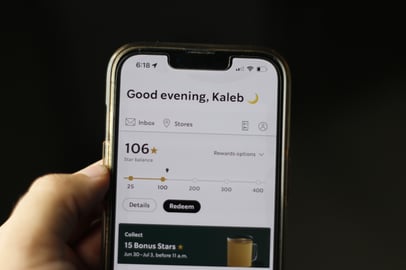
Channels Used: Mobile app, in-store, email, rewards program.
Strategy: The Starbucks app connects purchases with the rewards system. Customers can:
-
Order ahead.
-
Pay in-store via mobile.
-
Earn and redeem points across channels.
-
Get personalised offers based on buying habits.
Result: Higher app engagement and repeat visits.
2. Sephora
- Channels Used: Website, mobile app, in-store, email, social.
Strategy: Sephora lets users:
- Try products virtually using AR.
- Book appointments online.
- Access purchase history across devices.
- Get tailored offers based on preferences.
Result: Seamless transitions between online and in-store with high customer retention.
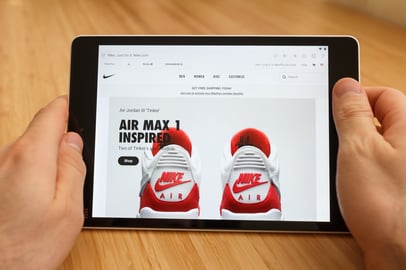
3. Nike
-
Channels Used: App, website, retail stores, social media.
Strategy: Nike members get:
-
Personalised product recommendations.
-
In-app exclusives and events.
-
In-store pickup for online orders.
-
Real-time inventory visibility across stores.
Result: Strong direct-to-consumer growth and loyalty.
4. Disney

-
Channels Used: Website, mobile, theme parks, and customer service.
Strategy: The My Disney Experience platform allows users to:
- Plan trips online.
- Book and manage tickets.
- Navigate parks with a mobile app.
- Use MagicBands for access and payments.
Result: Fully integrated customer journey before, during, and after visits.
5. IKEA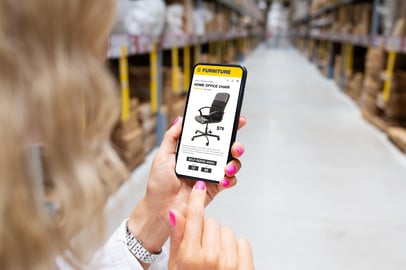
-
Channels Used: App, website, stores, AR, email.
Strategy: IKEA offers:
- AR tools to preview furniture in rooms.
- Shared shopping carts across devices.
- In-store navigation via app.
- Order online, pick up in store.
Result: Smooth hybrid shopping that boosts both online and offline sales.
The Role of AI in Omnichannel Marketing
Why AI Matters Now
AI is transforming how brands deliver omnichannel experiences. It helps marketers move from static customer journeys to real-time, adaptive interactions that improve results at scale.
How AI Enhances Omnichannel Marketing
-
Real-Time Personalization. AI analyzes behavior as it happens, delivering content, recommendations, and offers tailored to each user on any channel.
- Predictive Targeting. AI models forecast which users are likely to buy, churn, or convert—letting you adjust campaigns before opportunities are lost.
- Smarter Segmentation. AI can uncover micro-segments in your audience based on actions, preferences, and even sentiment, enabling more relevant messaging.
- Cross-Channel Orchestration. AI tools can automate the timing and delivery of messages across email, ads, SMS, and apps to ensure a coherent, optimized journey.
- Campaign Optimization. AI continuously tests and tweaks messaging, bidding, and delivery strategies to improve ROI without manual input.
- Customer Service Integration. AI-powered chatbots and virtual agents provide 24/7 assistance while feeding valuable engagement data back into your system.
80% of marketers using AI see better campaign performance. AI-driven personalization can lift conversion rates by up to 20%.
Contact WSI Today!
Organizational and technological needs to work across all channels; nevertheless, this requires additional effort. Specialists in in-store metrics or CRM may not be authorities in social media touchpoints or search analytics. They may not share data easily, nor conceive integrated executions with agility; similarly, technology platforms measure one or a few channels but not all. Connecting and correlating the numbers is still complicated, but needs to be done. Very soon, we are likely to see existing platforms releasing more channels into their metrics. The same goes for other garden walls in a budget, team structure, and other components of an omnichannel marketing strategy.
Recent research shows omnichannel campaigns deliver much stronger business results. Brands using cohesive omnichannel approaches retain 89% of their customers compared to only 33% for those that don’t, and omnichannel shoppers spend more and convert at higher rates across channels.
Want help building a connected, performance-focused omnichannel strategy?
Contact WSI today to see how we can tailor a solution for your team, your tools, and your goals.