What You’ll Learn
- What proper LinkedIn etiquette looks like for individuals and businesses
- How to post, comment, tag, and message people professionally
- What to avoid when building your LinkedIn presence
- How often to post and how to improve engagement
- How to approach connection requests, endorsements, and recommendations
- LinkedIn etiquette tips for businesses, sales teams, and job seekers
Why is proper LinkedIn etiquette essential for succeeding on this platform? LinkedIn is the world’s largest professional network, so it’s easy to understand why it’s such a force to be reckoned with in the digital marketing world. With a user base projected to reach nearly 1 billion by 2028 and ranked the #1 most trusted platform by brands, LinkedIn offers unparalleled opportunities for businesses to connect with potential clients, partners, and employees.
However, to succeed on LinkedIn, you need to understand the nuances of platform etiquette. Read on for your guide to mastering LinkedIn.
What is LinkedIn Etiquette?

LinkedIn etiquette is the set of professional behaviors that help you communicate, connect, and build credibility on LinkedIn.
Good LinkedIn etiquette includes keeping your profile accurate and professional, personalizing connection requests when possible, and avoiding aggressive sales messages immediately after connecting. Engage with other people’s posts thoughtfully rather than leaving generic comments such as “Great post.”
What Should LinkedIn Be Used For?
- LinkedIn should be used to build professional relationships, establish credibility, share expertise, and support business or career goals.
- For individuals, LinkedIn can help you connect with colleagues, clients, recruiters, and industry peers. You can also use it to showcase your experience, skills, achievements, and professional interests.
- For businesses, LinkedIn is useful for building brand awareness, sharing useful content, attracting potential clients, recruiting employees, and developing relationships with decision-makers.
- It is also a strong platform for professional learning. You can follow industry experts, join relevant conversations, track market trends, and learn from the experiences of others.
- For sales and marketing, LinkedIn works best when you focus on building trust before selling. Share useful information, comment thoughtfully, start relevant conversations, and use direct messages carefully.
What Should LinkedIn NOT Be Used For?
LinkedIn should not be used like a casual social media platform. Its main purpose is professional networking, learning, recruitment, and business development.
Avoid using LinkedIn for aggressive sales tactics, mass connection requests, or sending a sales pitch immediately after someone accepts your invitation. This can damage trust and make your outreach feel impersonal.
LinkedIn should also not be used for:
- Sharing highly personal content that has little professional relevance
- Posting offensive, discriminatory, or inappropriate material
- Spamming people with repeated messages or promotions
- Copying someone else’s content without giving credit
- Posting misleading claims about your experience, results, or qualifications
- Starting personal arguments or attacking people who disagree with you
- Tagging large numbers of people simply to increase attention
- Treating every new connection as a sales opportunity
You should also be careful about controversial topics. Political, social, or personal opinions can be appropriate when they relate to your professional role or industry, but consider how the post may affect clients, colleagues, employers, and your professional reputation.
Content is King (But Context is Queen)
Share insightful content relevant to your industry. Think thought-provoking articles, industry news, and actionable tips. Avoid blatant self-promotion and position yourself as a thought leader and resource. You should also:
- Tailor Your Message: As with all digital marketing, the best place to start is to consider your audience and tailor your content accordingly. What are their interests and challenges? How can you provide value to their professional lives? This is crucial for building meaningful professional relationships and growing your network.
- Engage, Don’t Just Broadcast: Most LinkedIn strategies focus purely on posting... but what happens after that? Responding thoughtfully to comments, participating in discussions, and building diverse LinkedIn connections are just as important. Over 70% of marketers see LinkedIn as a platform with solid ROI potential, but you’ll only reach that potential through engagement, not passive posting. Remember, maintaining a positive professional image on LinkedIn is essential.
LinkedIn Post Frequency and Timing Matter
It’s important to share content regularly to maintain visibility and increase brand awareness, but remember that it’s better to post less frequently with high-value content than to inundate your audience with irrelevant posts. Strategic timing is also crucial; consider when your target audience is most active on LinkedIn and experiment with different posting times to determine what yields the best engagement. Tools like LinkedIn analytics can provide valuable insights into audience activity. This can help increase the reach of your post and keep your content at the forefront of your mind with your new connections.
You do not need to publish every day to maintain a useful LinkedIn presence. Focus on content your audience will want to read, save, discuss, or share. Use your LinkedIn analytics to see which topics, formats, and posting times perform best.
Build a Compelling Company Page
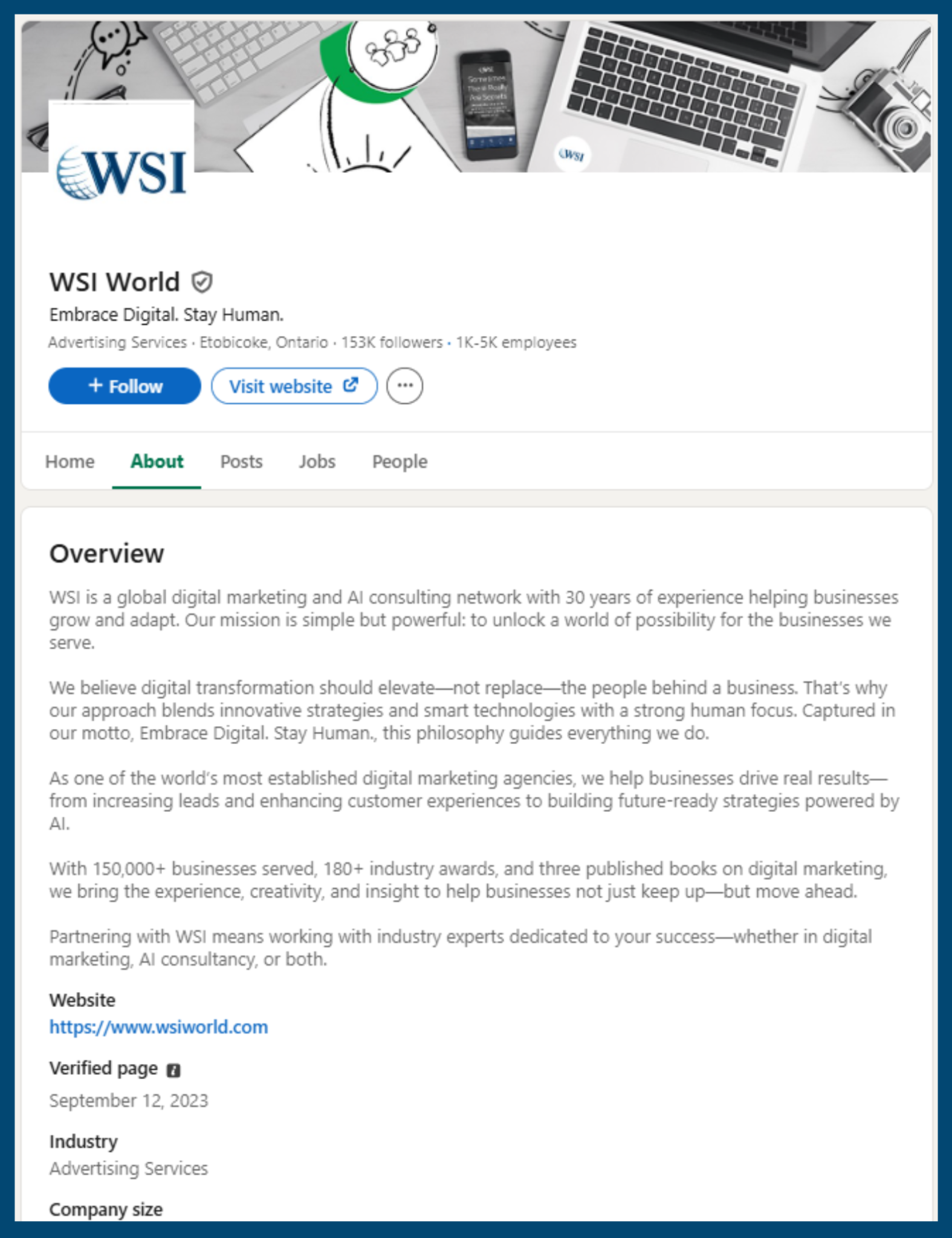
Your company page is often the first impression potential clients and partners have of your business. Make it count with a professional logo and a visually appealing cover image that reflects your brand identity. Here are a few other tips for building a LinkedIn company page:
- Evocative Company Description: Go beyond a dry recitation of your services. Write a compelling company description articulating your value proposition, target audience, and unique selling points.
- Demonstrate Your Expertise: Use your company page to highlight your industry expertise, showcase client success stories, and share valuable content relevant to your target audience. Position your business as a thought leader and go-to resource in your field.
Engage Respectfully
Maintain a professional tone in all your interactions. Avoid slang, jargon, and overly casual language.
You’ll also see better results if you personalize your connection requests. Explain why you’re reaching out and how connecting would be mutually beneficial. Avoid sending generic requests at all costs! Following these guidelines shows respect for others' time and helps you nurture relationships effectively.
When sending messages, focus on providing value. Don't respond to every message with an immediate sales pitch. Instead, build rapport and establish a connection before pitching your services.
Leverage LinkedIn’s Features
LinkedIn has many features that enhance its value as a professional networking platform. Here are a few worth exploring:
- LinkedIn Groups: Join relevant groups to expand your network and participate in industry discussions.
- LinkedIn Articles: Publish long-form content to establish thought leadership. Articles can also be a powerful tool for driving traffic to your website and generating leads.
- LinkedIn Live: Use live video to engage with your audience in real-time. Host Q&A sessions, share behind-the-scenes insights, and build a stronger connection with your followers.
Visuals Enhance Engagement
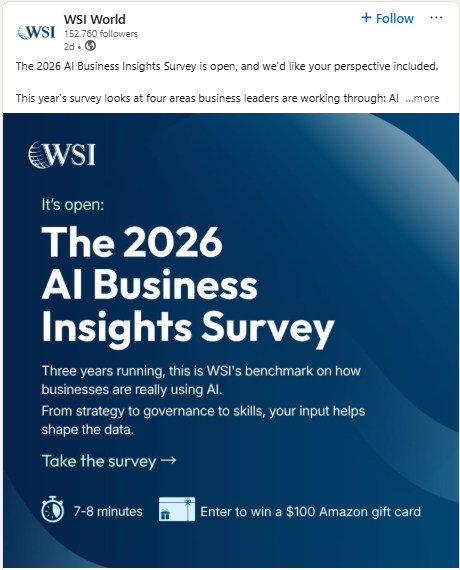
Try to incorporate visuals into your posts to grab attention and increase engagement. Most importantly, use high-quality images and videos relevant to your content. Infographics and data visualizations are especially effective. These tools present complex information in an easy-to-understand format, which can be very useful for engaging audiences.
LinkedIn Hashtags Expand Reach
Use relevant hashtags to increase the visibility of your posts. Research popular hashtags in your industry and incorporate them strategically – but be strategic about it. While hashtags are beneficial, avoid using too many. Focus on a few highly relevant hashtags (up to five) rather than a long list of generic ones.
LinkedIn Business Etiquette
Businesses should use LinkedIn to build credibility, strengthen professional relationships, and share useful information.
Keep company information accurate and up to date. Publish content that helps your audience solve problems, understand industry changes, or make better decisions. Respond to questions and comments in a professional way.
Avoid making every post promotional. A company page that only talks about its products or services can quickly lose attention. Balance company news with educational content, customer stories, practical advice, and industry commentary.
Employees who represent the business on LinkedIn should also understand what they can share publicly, especially when discussing clients, internal information, or company matters.
LinkedIn Tagging Etiquette
Tag people or companies only when they are genuinely relevant to the post or conversation.
Good reasons to tag someone include acknowledging their contribution, referencing an event they attended, crediting their work, or inviting them into a discussion that directly concerns them.
Avoid tagging large numbers of people simply to increase reach. This can appear spammy and may annoy the people being tagged.
Before tagging a client, customer, or business partner, consider whether they would be comfortable being publicly associated with the post.
LinkedIn Messaging Etiquette
LinkedIn messages should be short, relevant, and personal.
When contacting someone for the first time, explain who you are and why you are reaching out. Give them a clear reason to respond.
Avoid sending a long sales pitch immediately after someone accepts your connection request. Build some familiarity first where appropriate.
If you are prospecting, research the person and their business before contacting them. A message that clearly relates to their role or situation is more effective than a generic template.
Follow up respectfully. One or two reasonable follow-ups may be appropriate. Repeated messages without a response can become intrusive.
LinkedIn Etiquette for Responding to Comments
Respond to comments when someone asks a question, shares a useful observation, or contributes meaningfully to your post.
Thank people for thoughtful contributions and continue the discussion where appropriate. Responses should add something to the conversation rather than simply saying "Thanks" to every comment.
If someone disagrees with you, respond professionally. Address the argument rather than the person.
For offensive, abusive, or spam comments, you do not need to engage. Depending on the situation, you may choose to ignore, remove, report, or block the account.
LinkedIn Endorsements Etiquette
Endorse people for skills you have genuinely seen them demonstrate.
Do not endorse someone simply because you want them to endorse you in return. Endorsements are more meaningful when they reflect real professional experience.
If you receive an endorsement, you are not required to return it.
Recommendations carry more weight because they include written context. If you ask someone for a recommendation, make the request personal and explain what aspect of your work you would like them to address.
LinkedIn Etiquette Rules for Job Seekers
Job seekers should treat their LinkedIn profile as part of their professional reputation.
Keep your work history, skills, qualifications, and contact details accurate. Use a clear profile photo and headline that explain what you do or what type of opportunity you are seeking.
Follow companies you are interested in and engage with relevant employees or industry professionals before asking for help.
When contacting recruiters or hiring managers, keep your message brief and specific. Mention the role or opportunity you are interested in and explain why your experience may be relevant.
Avoid repeatedly messaging recruiters for updates. Respect the hiring process and any timelines they provide.
Job seekers should also review their recent posts and comments. Employers may look at LinkedIn activity when assessing candidates, so public interactions should support the professional impression you want to create.
Don't Post Anything That Might Hurt Your Professional Image
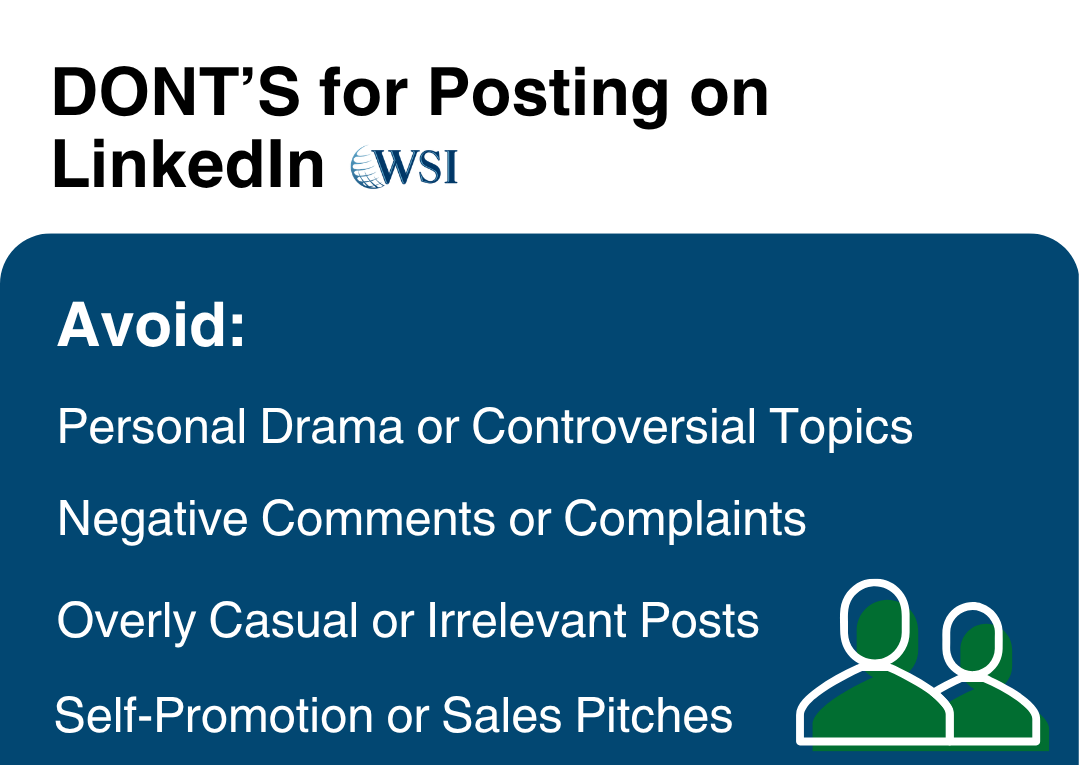
Avoid posting unprofessional, controversial, or irrelevant content to your network. Always keep business etiquette in mind when making connections. The content you share on LinkedIn contributes to your online professional reputation, so it’s essential to maintain a high standard of professionalism. Here are some things to avoid:
- Personal Drama or Controversial Topics: Keep personal opinions, especially on sensitive topics, to a minimum. LinkedIn is a professional platform, so focus on discussions that align with your industry and business interests. Sharing polarizing or inappropriate content may damage your credibility and alienate potential connections.
- Negative Comments or Complaints: Whether about your current employer, a client, or a competitor, airing grievances on LinkedIn reflects poorly on your professionalism. Instead, focus on solutions and constructive discussions that showcase your expertise and problem-solving skills.
- Overly Casual or Irrelevant Posts: While it’s great to show personality, LinkedIn is not the place for casual memes, jokes, or posts unrelated to your professional life. Remember, the goal is to foster real relationships and connect with new clients or business partners, not to gain popularity through viral content. Always think about how your post might reflect on your brand before sharing.
- Self-Promotion or Sales Pitches: Although LinkedIn is a platform for building relationships and growing your network, avoid using it as an overt sales channel. Posting content that is too promotional or focused on selling can come across as pushy and insincere. Always provide value and context before mentioning products or services.
Before publishing, check the post for accuracy, relevance, tone, confidentiality, and context. Ask whether you would be comfortable with a client, employer, colleague, or prospective customer reading it. If not, edit it before posting.
Ways to Maintain Professionalism on LinkedIn
When connecting with others on LinkedIn, it's important to uphold professionalism. Here are some do's and don’ts to guide your behavior:
- Do's: Share relevant, insightful content related to your industry. Your profile must have A professional headshot, as it helps establish credibility. Regularly navigate LinkedIn to engage with new and existing connections. This will help expand your professional network, especially if you add people relevant to your industry or job opportunities.
- Don’ts: Avoid spamming connection requests. Instead, send a polite connection message when you want to connect with someone new. Always show respect for others, especially when initiating conversations. Don't use automation tools to send generic messages or requests, as it could harm your relationship-building efforts.
- LinkedIn Inbox: If someone views your profile or a new LinkedIn connection sends you a message, respond in a timely manner. Connecting with the right people is essential, but maintaining that connection is just as crucial for your professional growth.
Other Best Practices
- Connect with people who share common professional interests, even if you're not interested in immediate business opportunities. LinkedIn is a professional social network, and relationship-building should be at the core of your efforts.
- Consider exploring topics that LinkedIn recommends to spark meaningful conversations.
Be mindful of your privacy policy settings to control who sees your posts and interactions, protecting both your personal and professional reputation. Update your choices regularly to ensure you're safeguarding your presence on LinkedIn. - Lastly, when you use LinkedIn to tag someone in a post, ensure it’s relevant and adds value to the conversation. Tagging unnecessarily or excessively can come across as spammy and harm your reputation.
WSI Can Help with Your Social Media Marketing
As you can see, we, WSI, have done our LinkedIn strategy-posting etiquette homework so you don’t have to. Contact your local WSI Consultant today for more LinkedIn etiquette tips and to develop a bespoke strategy that aligns with your business objectives.