
Key Highlights
- How social media engagement drives brand loyalty, visibility, and trust
- What types of interactions count as engagement, and why they matter
- The top strategies for building relationships across major platforms
- How to use polls, Q&As, and customer feedback to stay connected
- Practical steps to track and improve your social media performance
Forming a bond with your audience on social media is no longer just an alternative digital marketing strategy—it's necessary for any business that wants to prosper. Social media engagement strategies help businesses cultivate relationships, interact with customers, and establish meaningful connections. Social media networks offer a unique space to foster these connections and enhance brand loyalty.
A good social media strategy can build trust and loyalty, enhance a brand's visibility, increase website visits, and ultimately increase sales. By understanding customers' journeys and practicing effective engagement strategies, businesses can maximize their presence on social media platforms and develop a loyal online community. Mastering the social media customer journey allows brands to connect with users at every stage, from awareness to purchase, making the process smoother or more successful.
What is Social Media Engagement?
-Mar-31-2026-03-48-19-7132-PM.png?width=400&height=283&name=unnamed%20(2)-Mar-31-2026-03-48-19-7132-PM.png)
Social media engagement is how people interact with your content on platforms like Facebook, Instagram, LinkedIn, and X (Twitter). It includes:
- Likes and reactions
- Comments and replies
- Shares and retweets
- Saves and bookmarks
- Clicks on links or media
- Mentions and tags
- Follows and direct messages
High engagement shows that your audience finds your content relevant or interesting. It’s a key signal to social media algorithms, which can help your posts reach more people.
Engagement also gives insight into how your audience feels about your brand. You can use that feedback to improve content, messaging, and targeting.
At WSI, we focus on creating content that encourages interaction, not just visibility. That means understanding your audience, using strong visuals, writing clear calls to action, and posting consistently.
| Reach means people see your post. Engagement means they care about it. Focus on sparking interaction, not just visibility. |
Importance of Social Media Engagement
Interacting with your followers on social media provides numerous advantages. It's about creating authentic relationships that extend beyond sales. Here is why engagement should be a fundamental part of your social media approach:
- Encourages Customer Faithfulness: If the customers sense they are heard and appreciated, they often stay loyal to your brand. Interaction establishes a mutual conversation that enhances the connection between your business and its audience.
- Boosts Recognition of Brand: Refers to actions such as liking, sharing, and commenting, which can naturally broaden your scope. When people engage with what you post, their responses amplify your presence and introduce your brand to potential new clients. Boosting brand visibility on social media is essential for reaching a broader audience and establishing a robust brand identity.
- Gives Useful Insights: Social media acts as a direct connection to your consumers. By paying attention and engaging, you learn what they like, their issues, and their wishes. This helps you improve your goods and services.
- Boosts Brand Character: Social media allows you to show your brand's humanity. Telling stories, replying to remarks, and making personal connections make your brand seem friendlier and more approachable.
Social Media Best Practices for Businesses
Are you ready to increase your engagement on social media? Here are ten crucial suggestions for connecting with your audience and fully exploiting your social platforms' capabilities.
Know Your Audience:
To be successful in any social media strategy, it is crucial to understand your audience. You need to know who your followers are, what matters to them, and where they spend their time on the internet for genuine engagement.
Demographics:
Gather basic demographic information such as age, gender, location, and interests.
Psychographics:
Explore more about their behaviors, values, and drives. What do they like? What types of social media content connect with them?
People:
Create comprehensive person profiles to symbolize your perfect audience group. These profiles will assist in steering the creation of content and confirm that you're addressing your audience's needs and wants directly.
-4.png?width=520&height=347&name=unnamed%20(4)-4.png)
Stay Active and Consistent:
Consistency is critical when using social media. If you post content regularly, your brand will always be remembered, and it will also help to support engagement.
Make a Content Schedule:
Arrange your social media posts beforehand with diverse materials, such as educational, amusing, and marketing pieces. A content schedule assists in keeping you on track and delivers consistent article posting.
Use Planning Tools:
Employ social network management tools such as Hootsuite or PromoRepublic to schedule posts beforehand and maintain a regular presence across different social media channels.
Respond Promptly:
Answering promptly demonstrates that you appreciate your audience's feedback and are deeply involved with your community. Whether it's a comment, inquiry, or complaint, an immediate response can significantly impact how your brand is perceived online.
Show Gratitude for Praise and Good Communication:
This strengthens customer bonds and creates a good reputation.
Tackle Unfavorable Criticism in a Professional Manner:
Respond to adverse comments with understanding and professionalism. Use them as an opportunity to show your dedication to customer satisfaction.
Incorporate Visuals:
Visual content is significant for attracting attention on social media. Posts that include pictures or videos generally get more interaction than posts that only contain text.
Use Superior Quality Pictures:
Invest in excellent photography and creative design. High-standard pictures and films show professionalism and are more likely to attract attention.
Try Different Styles:
Change your content by including pictures, videos, infographics, and GIFs. This variety will maintain interest in your feed and keep it fresh.
Cultivate User-Generated Content:
User-generated content (UGC) is a great way to establish credibility and authenticity. It provides social evidence when your followers share their interactions with your brand.
Promote Involvement:
Develop activities where viewers can submit their pictures, experiences, or recommendations. Use specific hashtags related to your brand to discover and distribute this material straightforwardly.
Be a Storyteller:
Storytelling is powerful for forming emotional connections with your audience. Share stories related to your trademark, products, and clients.
Provide Inside Information:
Let your followers see what's happening behind the scenes of your business. This will make your brand more relatable and help establish a stronger bond.
Present Customer Experiences:
Distribute customer feedback and successful experiences demonstrating how your products or services have made a positive difference.
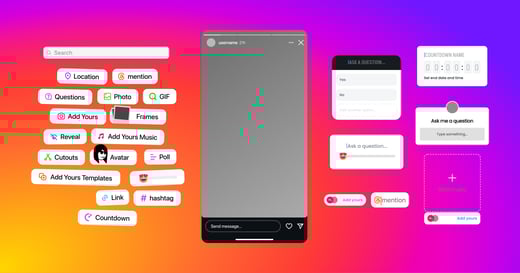
Use Polls and Surveys:
Polls and surveys are interactive tools that engage your audience while providing valuable feedback.
Pose Interesting Questions:
Conduct enjoyable and relevant surveys relevant to your spectators' interests. Use the outcomes to direct your content strategies.
Gather Feedback:
Use questionnaires to collect thoughts and advice from your supporters. This demonstrates that you appreciate their participation and are open to improvements based on their feedback.
Host Live Q&A Sessions:
Q&A live sessions present a unique opportunity to bond with your audience instantly. They allow you to respond to queries, share knowledge, and participate in open dialogue.

Advertise Your Live Events:
To create excitement, let people know about your Q&A events before they happen. Distribute preview content to get people curious about what is to come.
Leverage Analytics to Adapt:
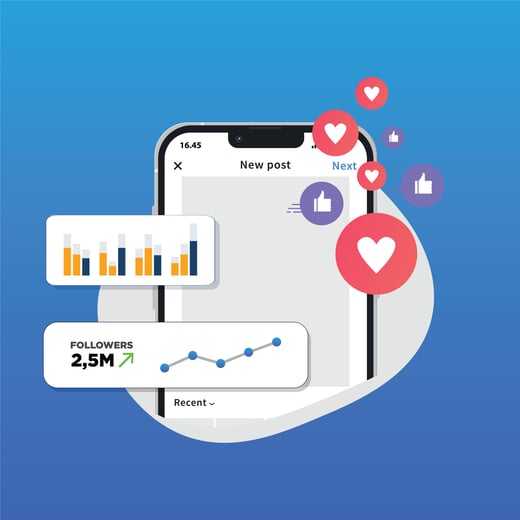
Reviewing your social media performance is crucial for improving your strategy. Use analytics tools to monitor significant numbers and understand what's practical.
Watch Engagement Metrics:
Follow likes, comments, shares, and click-through rates to understand how your content connects with your viewers.
Change Your Plan:
Use the data to spot patterns and make informed changes. If a particular kind of content shows good results, consider integrating more of it into your plan.
Experiment and Innovate:
Trends in social media change rapidly, and strategies that were successful yesterday may be ineffective tomorrow. Maintain flexibility and display a readiness to adopt new methods.
| Responding within 24 hours shows you value your community. It builds trust and encourages more comments in the future. |
Measuring the Success of Your Social Media Engagement Efforts
To understand how well your social media campaigns are working, focus on the main progress signals (KPIs) that align with what you want to achieve, such as:
- Engagement Rate: This is the proportion of interactions (likes, comments, shares) to followers or impressions. It represents the extent to which the audience participates in your content.
- Click-Through Rate (CTR): This is the percentage of individuals clicking on a link in your article. It shows your content's attractiveness and capability to attract more visitors.
- Conversion Rate: This refers to the portion of users who perform a specific action, like registering or buying something, after interacting with your content.
- Follower Growth: If your followers are increasing, your post is being well-received and bringing in new followers.
Engaging Social Media Post Ideas
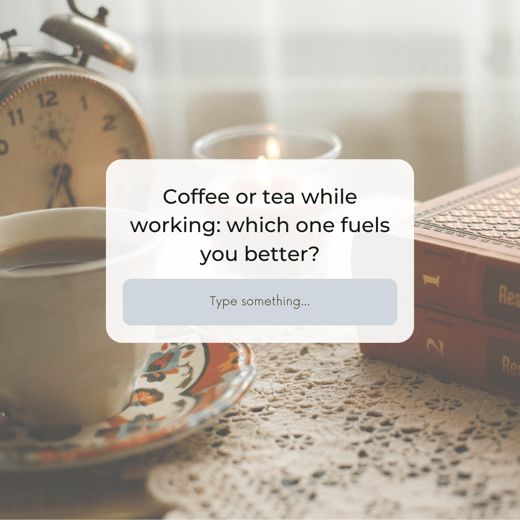
1. Ask a Question
- “What’s one tool you can’t work without?”
- “Coffee or tea while working; which one fuels you better?”
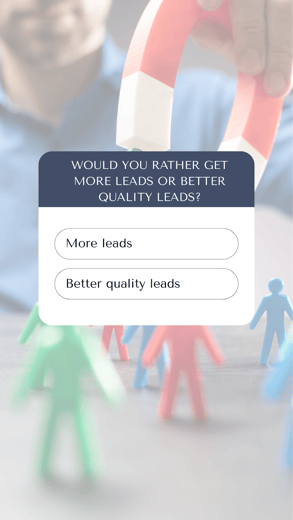
 2. Run a Poll
- “Which digital marketing channel drives the best ROI for you?”
- “Would you rather get more leads or better quality leads?”
 3. Share Behind-the-Scenes
- Show how your team works or what goes into a project.
- Introduce team members with a short story or fun fact.
4. Use a Quick Tip or Fact
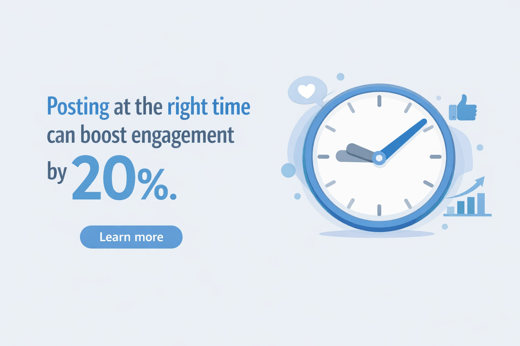
- “Posting at the right time can boost engagement by 20%.”
- “3 SEO updates you should care about this month.”
 5. Celebrate a Win
- “We just launched a new client website! Here's a peek.”
- “Thanks to our team, we hit a major milestone this week.”
 6. Post a Customer Testimonial
- Use a short quote and a clean visual.
- Add a CTA: “Want results like this? Let’s talk.”
7. Share a Blog Post or Resource
- Pull out a key stat or quote.
- Ask a related question to start a discussion.
8. Use a Before-and-After
- Show a website redesign, SEO ranking improvement, or ad performance.
- Keep captions short and result-focused.
9. Start a Series
- Weekly tips, trends, or FAQs.
- Example: “Marketing Mondays: 1 quick idea to try this week.”
 10. Share Industry News
- Add your take: “Google just rolled out a new update. Here’s what it means for small businesses.”
Keep posts short, visual, and relevant. Use plain language. End with a clear prompt or question. That’s what drives real engagement.
Creating a Social Media Engagement Plan
1. Set Clear Goals
- Increase post engagement by 20% in 3 months
- Grow followers by 500 in 6 weeks
- Boost link clicks to your site
2. Know Your Audience
- Define your buyer personas: age, location, challenges, interests
- Find out where they spend time online (LinkedIn, Instagram, etc.)
- Use past engagement data to guide your content
3. Choose the Right Platforms
- Don’t post everywhere, focus on where your audience is
- B2B: LinkedIn, X (Twitter)
- B2C: Instagram, Facebook, TikTok
4. Plan Your Content Mix
Use a weekly or monthly content calendar with a mix of:
- Tips and how-tos
- Questions and polls
- Behind-the-scenes content
- Industry news + your take
- Client wins or testimonials
- Blog or video shares
5. Create Engagement Hooks
- Add clear calls-to-action (CTAs): “Comment below,” “What do you think?”
- Ask short, specific questions
- Use strong visuals and captions
6. Post Consistently
- Post at least 3–5 times a week
- Use scheduling tools to stay on track
7. Respond Quickly
- Reply to comments and messages within 24 hours
- Like or react to user responses
- Thank people who share your posts
8. Track and Improve
- Measure likes, comments, shares, reach, and clicks
- Use platform analytics or tools like Hootsuite or Sprout Social
- Review results monthly and adjust your strategy
Increase Your Social Media Engagement Strategy Today!
Are you ready to enhance your social media engagement? WSI is here to provide advice from digital marketing experts and customized social media engagement strategies to assist you in connecting, growing, and being successful across social media. Contact us, and let's join forces to boost the sound of your brand and create an active community online.