Key Highlights
- Referrals and search gave buyers different starting points. Prospects arriving through search often knew less about the company, so the website had to do more of the early work that a referral had previously done.
- Buyer research shaped the digital program before the website was rebuilt. Defining priority audiences helped guide the site structure, search focus, and content around what prospective clients needed while evaluating a destination management company.
- The website, search, content, and follow-up worked as one program. The goal was to help the right buyers discover the business, understand its services, make contact, and move into a better-informed sales conversation.
- Marketing performance was connected to business activity. The program generated 107 tracked key events, including form submissions and phone interactions, alongside stronger organic search visibility.
- Website inquiries produced an estimated 10:1 return on digital marketing investment. Costa Rica DMC reported the return, giving the company a clearer view of the commercial value being generated alongside its referral business.
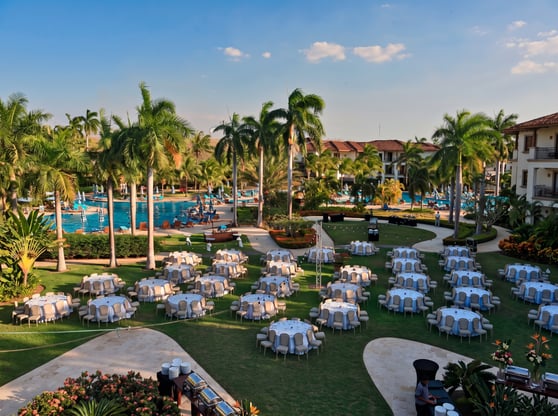
Costa Rica DMC designs and runs high-end travel programs, corporate events, and incentive experiences in Costa Rica for corporate planners and travel agencies in North America and Europe. The company had built a strong reputation through referrals and long-standing industry relationships, but buyers finding Costa Rica DMC online weren't creating the same flow of opportunities.
The website was outdated, difficult to navigate, and had limited search visibility. For an international planner comparing destination management companies from another country, the site needed to explain Costa Rica DMC's capabilities, establish confidence in the company, and make it easy to start a conversation.
WSI Consultant Luis Rodriguez worked with Costa Rica DMC on a digital program that combined audience definition, a new website, SEO and content, marketing automation, analytics, and performance reporting. The aim was to make digital a dependable source of new business opportunities alongside the referral network that had already served the company well.
The Challenge: Reaching New Buyers Beyond Referrals
Referrals came with something valuable already built in: familiarity. A planner referred by an existing relationship usually had some context about the company before visiting the website.
Prospects arriving through search usually had less context. They could be comparing several local partners while planning an incentive program or corporate event from North America or Europe, so the website needed to earn consideration without the benefit of a prior introduction.
The company needed stronger search visibility, a website that helped unfamiliar planners assess its services and experience, and a better way to manage inquiries and see which marketing activity was contributing to new opportunities.
The business wanted digital marketing to create qualified business opportunities it could track.
How the Website, Search, and Follow-Up Worked Together
The work started with the buyers Costa Rica DMC wanted to attract. That gave the website, search program, and content a much clearer job to do.
Buyer Research Set the Direction
Buyer persona and ICP development clarified the priority audiences and what those buyers needed while researching programs in Costa Rica.
An incentive travel planner, for example, may be researching program ideas, destinations, logistics, and local execution before contacting a DMC. Other corporate buyers may arrive with a different program type or set of requirements.
Defining those audiences first shaped the information architecture and content around real buying needs rather than building a site around an internal list of services.
The Website Made Evaluation Easier for International Planners
The old website wasn't giving international planners enough support as they assessed the company. A new conversion-focused website reorganized the experience around its services and the questions prospective clients were likely to have before making contact.
Clearer service paths made relevant information easier to reach. Contact and request options gave interested planners a direct next step, while the website provided more context about what the team could manage before a sales conversation began.
That was especially useful for buyers evaluating a local partner from outside Costa Rica. The website could now do more of the early explanatory work that a referral had previously done.
Search and Content Reached Buyers Already Researching Costa Rica Programs
Once the new site was in place, SEO and content focused on searches connected to destination management, incentive travel, and the programs the company wanted to grow.
The search strategy increased the company's chances of appearing while planners were actively researching options in Costa Rica. Supporting content gave those visitors useful information about destinations, programs, itineraries and experiences before they reached out.
Search visibility and website content worked toward the same commercial objective: reach relevant planners while they were researching and give them enough information to continue the conversation.
Automation and Reporting Connected Inquiries With Follow-Up and Measurement
Marketing automation helped capture and organize incoming leads so the team could manage follow-up more consistently.
Analytics and reporting added the measurement layer. Website activity could be connected to actions such as form submissions and phone interactions, giving the team a clearer picture of which marketing activity was contributing to new opportunities.
Business Results: Stronger Search Visibility and an Estimated 10:1 Return
Over the reporting period, the digital program generated measurable results across search, website engagement, and lead generation.
The results included:
- An estimated 10:1 return on digital marketing investment from website inquiries, according to Costa Rica DMC
- 107 tracked key events, including form submissions and phone interactions
- 4,794 organic website sessions
- 3,835 organic clicks from 575,422 Google Search impressions
- Average Google Search position improved from 40+ to approximately 15–20 over the reporting period
There was also a change that doesn't show up as neatly in a traffic report.
Costa Rica DMC reported that prospects were arriving better informed about its services. Instead of spending the beginning of every conversation explaining the basics, the team could move more quickly into the program the buyer was planning and what they needed from a local partner.
The website was contributing earlier in the sales process, before a prospect ever spoke with the team.
Ongoing Guidance Supported Better Marketing and Technology Decisions
Performance data was one part of the relationship. The company also valued ongoing guidance as its marketing technology and business needs changed.
The client describes that support this way:
"I like working with WSI because they train and guide us in the best way when making our corporate decisions, especially in technology matters, since it is very difficult for us to stay updated."
Mauricio Arevalo, CEO, Costa Rica DMC
What Referral-Led Businesses Can Learn From Costa Rica DMC
Referrals and Search Give Buyers Different Starting Points
A business can be well known within its existing network and still be difficult for new buyers to discover online.
The business already had strong industry relationships and a reliable referral base. Digital marketing created another route in for planners who didn't have that introduction.
Referrals show that existing customers and industry contacts are willing to recommend the company. Search visibility gives buyers outside that network a chance to discover it.
Buyer Research Should Shape the Website Before Design Begins
Website decisions become much clearer once the business knows who the site needs to persuade.
Audience definition influenced how services were organized, what information planners needed, and which searches and content topics deserved attention. The website could then be built around how prospective clients researched a DMC rather than around the company's internal structure.
Starting with the audience kept the redesign focused on the information prospective clients needed before deciding whether to make contact.
Measure the Path From Visibility to Business Opportunity
Search impressions and rankings can show whether visibility is improving. They can't tell leadership, on their own, whether the website is creating commercial value.
The team tracked what happened after people found the business, including organic visits, form activity, phone interactions and website-generated inquiries. That connected marketing activity to the business outcome the company cared about.
The estimated 10:1 return has context because there's a measurable path behind it: search visibility, site activity, lead actions, and ultimately business generated from website inquiries.
Recognition Through WSI's 2026 People's Choice Awards: Costa Rica DMC's work with WSI was recognized as a runner-up in WSI's 2026 People's Choice Awards. The project helped the company use its website and digital marketing to generate more opportunities beyond referrals. Explore the full WSI client success story roundup here.
Make Digital a More Dependable Source of Business
Costa Rica DMC already had a reputation that generated referrals. Its digital marketing created another way for buyers outside that network to discover the company, understand its services and start a conversation.
The strategy connected those buyers with the website experience, search visibility, lead follow-up and reporting needed to turn interest into measurable opportunities.
If referrals still generate much of your business, a WSI Consultant can help you assess whether your website, search visibility, lead follow-up and reporting are working together to create another dependable source of opportunities.