Key Highlights
- How AI is transforming web design from static pages to personalized, real-time experiences
- The key benefits of AI in web design include automation, personalized content, and continuous optimization
- The challenges businesses face when integrating AI, including privacy concerns and over-reliance on automation
- Real-world applications of AI-driven design tools, such as improving user experience and streamlining workflows
- How AI is helping businesses stay competitive in the rapidly evolving digital landscape
AI is redefining what a website can do. Traditional web design focused on static, user-centered models, but how AI is changing web design introduces new dynamics, enabling websites to adapt in real time and offer increasingly personalized experiences. And at WSI, we don’t just keep up, we build the future. From more innovative interfaces to adaptive design, we help businesses turn their websites into real-time, ROI-driving platforms.
Current State of AI In Web Design and Development
AI has become integral to web design and development, automating tasks and enhancing user experiences. It helps generate code, personalize content, and optimize layouts based on user behavior in real-time. Tools like Figma and Webflow use AI to streamline design and development, allowing for faster creation of dynamic, responsive sites.
AI also powers conversational interfaces, such as chatbots and voice assistants, making interactions more intuitive. Additionally, AI-driven analytics and A/B testing improve site performance, ensuring faster load times and better user engagement.
In 2026, AI accelerates workflows and personalization while still relying on human creativity for strategy and design innovation.
Key Benefits of AI For Web Design
 Enhanced Personalization
AI allows websites to adapt content, layout, and recommendations based on user behavior, preferences, and demographics. This results in more engaging, tailored experiences that boost user satisfaction and conversions.
Faster Development and Automation
AI-powered tools automate repetitive tasks such as coding, design, and content generation, significantly speeding up the development process and reducing manual effort. Across businesses, 88% now use AI in at least one function, and 62% are experimenting with AI agents, reinforcing AI’s expanding role in workflows beyond design.
Improved User Experience (UX)
AI-driven design can optimize UX by predicting user needs, adjusting layouts for different devices, and offering real-time personalized interactions (e.g., chatbots or voice assistants), making navigation smoother.
Data-Driven Design Decisions
AI analyzes user data to identify patterns and provide insights that inform design choices, helping create websites that resonate with visitors and perform better in real-world use.
Smarter Content Management
AI tools can automatically adjust website content based on user engagement or current trends, ensuring that content remains relevant and up to date without manual intervention.
Increased Efficiency
By handling tedious tasks like image editing, layout adjustments, and A/B testing, AI frees up designers and developers to focus on more creative and strategic aspects of web design.
Continuous Optimization
AI enables websites to continuously monitor performance, run A/B tests, and adjust to improve loading speed and overall functionality, ensuring a seamless user experience over time.
| Websites powered by AI are projected to see up to a 27% increase in engagement through smarter content recommendations and dynamic design adjustments. Personalization isn't just a feature; it’s a critical driver for user retention and conversions. |
Challenges and Limitations of AI Website Design
Data Privacy and Security
AI relies heavily on user data to deliver personalized experiences, raising concerns about privacy. Ensuring compliance with regulations like GDPR and implementing secure data practices are essential.
Quality Control
While AI can automate design processes, it may not always produce designs that meet creative or aesthetic standards. Human oversight is needed to ensure the final product aligns with brand vision and user expectations.
Learning Curve for Teams
Adopting AI tools can be challenging for teams unfamiliar with machine learning or AI technologies. Training staff and integrating AI into existing workflows can take time and resources.
Over-Automation Risk
There is a risk of over-relying on AI, which may lead to a lack of human touch in designs. Creativity, empathy, and storytelling, which are essential for compelling design, still require human input.
Limited Flexibility
AI tools work best within predefined parameters. If the design goals are too unique or complex, AI may not be able to offer the flexibility required, potentially limiting creativity.
Bias in AI
AI systems are only as good as the data they are trained on. If the training data is biased, the AI can produce biased or incomplete results, which may impact user experience and inclusivity.
Cost of Implementation
Integrating AI into the design process can be expensive, especially for small businesses. The cost of advanced AI tools and platforms can be prohibitive, making it more challenging for budget-constrained teams to adopt them.
AI and the Shift in User Expectations
AI is fundamentally changing how websites are built, designed, and experienced. What once required weeks of manual coding, testing, and fine-tuning can now happen in hours,or even minutes,thanks to AI-powered tools that automate workflows, enhance design logic, and intuitively address user needs. But AI is doing more than speeding up development; it’s redefining what users expect.
Evolving User Expectations
As AI becomes integrated into everyday tech like chatbots and voice assistants, users expect more from websites. They now want sites that anticipate their needs and respond quickly. This shift moves us from static pages to dynamic, personalized experiences powered by AI. For example, a returning visitor might see tailored content, while a mobile user might encounter a simplified version of the site for ease of navigation.
Conversational Search and Voice Assistants

With the rise of voice-enabled devices, conversational search is becoming the norm, especially among younger users. AI’s ability to interpret natural language and deliver relevant results means websites must optimize for both typed and spoken queries. This requires AI’s real-time data analysis and natural language processing capabilities.
Empowering Developers and Designers
AI tools such as GitHub Copilot and Figma’s AI-powered plugins are enhancing creativity by automating repetitive tasks, giving developers and designers more time for strategic work. Frameworks like TensorFlow and Adobe Sensei empower creators to deliver personalized and efficient design solutions.
Staying Competitive in the AI Era
To stay competitive, businesses must begin adopting AI today. Across sectors, 77% of companies are already using or exploring AI, confirming the technology is no longer niche but mainstream. Start by using schema markup, experimenting with chatbots, and optimizing for voice search. These small steps can lead to significant insights and help maintain a competitive edge.
| 77% of companies are already exploring or implementing AI. If you’re not adopting AI tools, you’re falling behind. Integrating AI early can give your business the edge it needs to thrive in a competitive digital landscape. |
Website Design Beyond Aesthetics: Prioritizing Clarity and Usability
A beautiful website helps, but it’s useless if visitors can’t navigate it. Great design is about functionality, ensuring users can easily accomplish their goals.
Start by understanding your users and what they need, whether it's purchasing, finding information, or booking something. If your site doesn’t help them achieve these tasks, it’s not effective.
Focus on speed, organization, and clear calls to action. If users struggle to find where to click, they’ll leave. Good design guides attention through thoughtful use of font size, contrast, and spacing, making key elements stand out without overwhelming visitors.
Navigation is critical. Menus should be intuitive and easy to understand, with obvious labels and familiar structures. Users are busy and don’t have time to guess.
Whitespace is vital too. It should separate content and create space for easier reading, not just as a design trend. A cluttered site will drive users away.
Usability testing is key to identifying issues. Observing real users helps pinpoint where they struggle and what frustrates them, so you can make improvements. Remember, design is an ongoing process: test, tweak, and refine.
While aesthetics matter, they shouldn’t compromise usability. A beautiful but confusing site leads to high bounce rates. Emotional design, through typography, color, and imagery, builds trust but shouldn’t overshadow the experience.
Real-world example: simplifying complex dropdowns or adjusting a minimalist checkout page can lead to better user engagement and higher conversions. Following familiar design patterns can also improve usability.
Ultimately, clarity and usability are paramount. A website should help users accomplish their goals quickly and easily, encouraging them to return.
WSI: Designing Websites for the AI-Powered Future
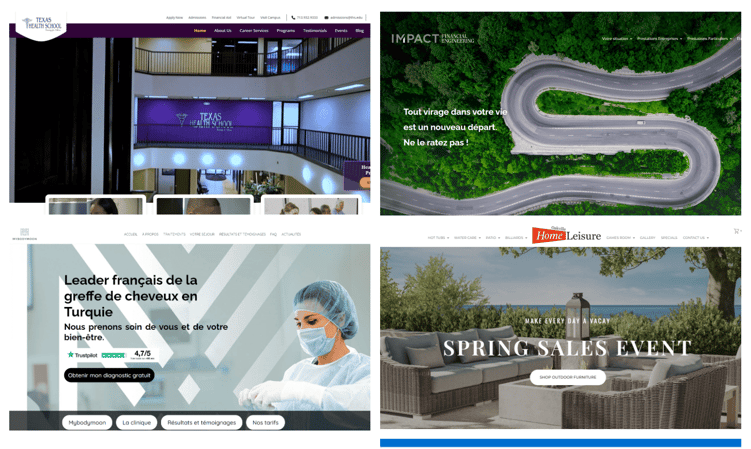
AI-generated website design adapts to user behavior in real-time, offering personalized content and seamless interactions. At WSI, we build sites that look good and respond intuitively, suggesting relevant products, guiding users, and simplifying their experience.
Our approach makes AI feel natural, not intrusive. We integrate it from the start, ensuring your website is user-focused, ethical, and always evolving. The future of web design is smarter, more human, and built to work for people. Let’s build it together.
Leveraging AI to Build the Future of Web Design
AI is already transforming web design, not by replacing designers, but by eliminating time-consuming tasks like layout tweaks and A/B testing. At WSI, we use AI to speed up the process, freeing designers to focus on creating personalized, adaptive digital experiences that truly engage users.
We don’t use AI as a gimmick; it’s a powerful tool that helps us build smarter websites that evolve with their users. Our goal isn’t flashy designs; it’s building websites that work and win awards.
If your site feels outdated or static, it’s time for a change. Let’s build something smarter and more intuitive. Contact us to get started.