Key Highlights
- Traditional SEO can't keep up. AI Overviews, social discovery, and chat-based search now drive visibility, not just keyword rankings or backlinks.
- AI discovery spans all platforms. Visibility depends on how consistently your brand appears across Google, ChatGPT, LinkedIn, Perplexity, and YouTube.
- Entity authority drives trust. AI tools cite brands they recognize. Consistency across bios, brand language, and media builds citation frequency.
- Structure determines lift. Clear headings, short paragraphs, lists, and schema make content easier for AI to extract and reuse.
- Zero-click is the new norm. AI delivers direct answers. Brands must shift from chasing traffic to becoming the answer source.
- A simple 30-day roadmap works. Visibility starts with auditing your presence, optimizing key pages, and boosting credibility signals.
Search visibility has fundamentally changed. Nearly 60% of searches now end without a click, as users get answers directly on the results page.
Ranking #1 on Google is no longer a guarantee of traffic or trust. AI Overviews, ChatGPT, Perplexity, conversational tools, and social search now shape how information is found, trusted, and cited. Brands that rely on traditional SEO risk becoming invisible in zero-click environments.
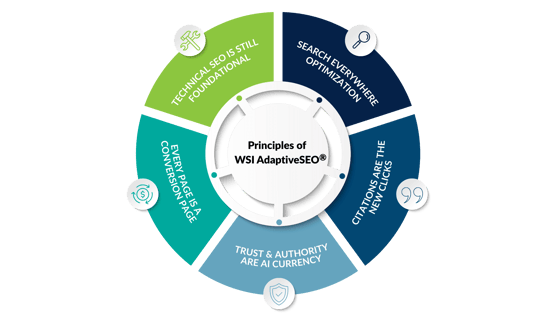
Adaptive SEO is the first step toward sustainable visibility across AI-powered discovery channels. It focuses on entity recognition, structured content, and trust signals that AI systems prioritize. If your brand isn’t cited in the answers, it’s being left out.
A focused search everywhere optimization guide helps you extend this approach across every platform where your audience searches and evaluates information.
Here’s how Adaptive SEO helps you become the source AI tools—and your buyers—turn to.
What is Search Everywhere Optimization?
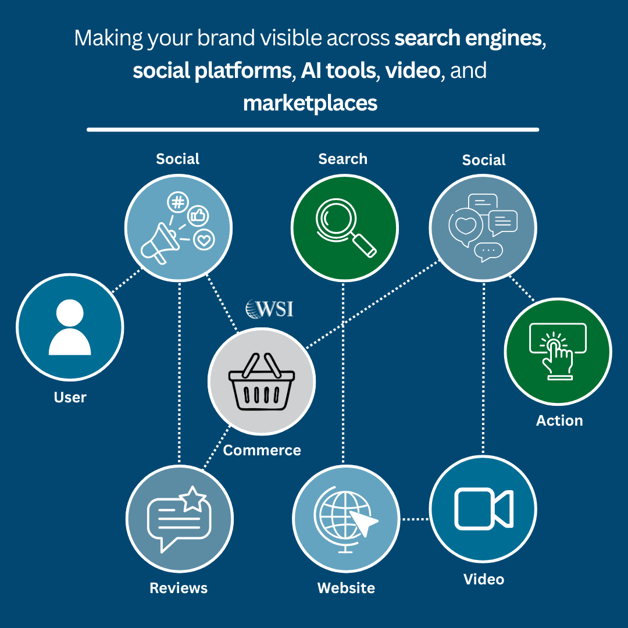
Search Everywhere Optimization is the evolution of traditional SEO (Search Engine Optimization). Traditional SEO only focused on rankings on Google, but Search Everywhere Optimization focuses on making your brand visible across all platforms search for information (search engines, social media, marketplaces, AI tools, and video platforms).
Why Traditional SEO Is No Longer Enough
SEO was built for rankings and blue links. But today, visibility is earned by being cited, trusted, and easy to understand.
AI Overviews break queries into sub-questions and build answers using multiple sources. Ranking alone doesn’t cut it. Now, your content must:
- Be clear and structured
- Answer questions directly
- Come from a trusted brand or author
Traditional tactics such as keyword stuffing or chasing backlinks no longer guarantee discovery. AI prioritizes clarity, credibility, and extractability.
Keyword Matching Doesn't Equal AI Understanding
Systems like Google’s SGE, ChatGPT, and Perplexity interpret semantic intent, not just exact-match terms. Pages packed with repeated keywords but thin on depth get ignored. Google reports that over 15% of daily searches are completely new, which shows how often users search in natural, unpredictable ways.
To rank in AI-driven discovery:
- Explain concepts clearly
- Use natural language aligned with real questions
- Provide examples, definitions, and analogies that support semantic comprehension
AI rewards helpful, explainable content.
Your Page Doesn’t Need to Rank First, But It Must Answer Clearly
Instead of selecting a single top result, AI cites multiple sources, each addressing part of the query. That means your page can earn visibility without being #1, as long as it answers a real question, directly and clearly.
To be included:
- Focus each section on a specific query
- Avoid burying insights deep in narrative
- Use subheadings, lists, or summaries to surface key points
If your content is hard to parse, it’s easy for AI to skip.
Backlinks Still Help, But Credibility Drives AI Trust
While backlinks support discovery, AI tools prioritize:
- Brand mentions across reputable sites
- Consistent author bios and credentials
- Factual accuracy backed by cited data
- Alignment with Google’s E-E-A-T standards (Experience, Expertise, Authority, Trust)
According to Google’s Search Quality Evaluator Guidelines, content with clear expertise and author credibility is rated significantly higher than anonymous or thin content.
Volume Doesn’t Win, Clarity Does
Quality over quantity. Instead of publishing more, focus on publishing better.
AI Overviews favor:
- Clear, direct answers
- Structured formatting
- Content that resolves real questions
Long, unfocused posts get skipped. Even large brands like HubSpot saw traffic drop as AI began summarizing answers without clicks.
AI surfaces content that it can easily extract and trust. Quality, structure, and specificity now outperform quantity.
How to Optimize for Key Platforms
Here is what you should do to improve visibility across every platform for marketing everywhere optimization:
Google and Bing
To perform well here, your website needs to do a few things consistently:
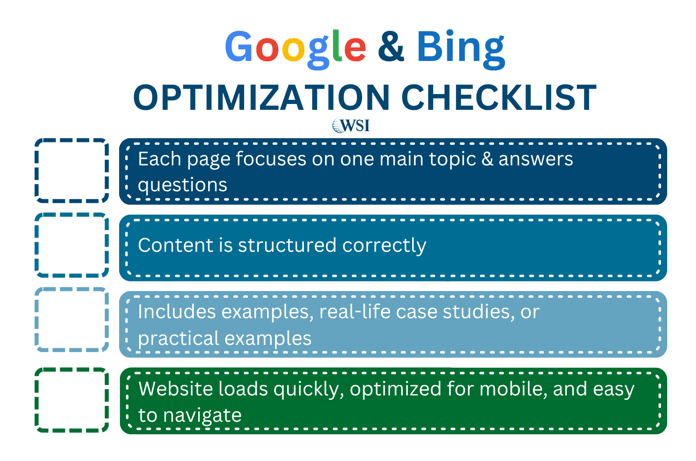
- Each page should focus on one main topic and answer specific questions clearly.
- Use headings, short paragraphs, and clear sections to structure your content so that it is easy to scan.
- Include examples, real-life case studies, or practical explanations (credibility always tops)
- Fix your technical issues. Your website should load quickly, be optimized for mobile devices, and be easy to navigate.
A good approach is to build out core pages around your services, and support them with articles that answer related questions.
YouTube
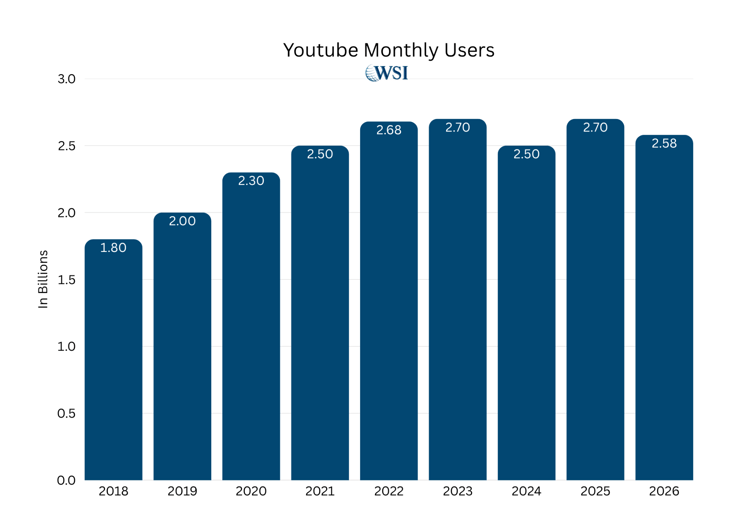
If you want to learn a new skill, where do you go? For most people, the answer is YouTube. Which is understandable. It offers a wide range of content, from tutorials to reviews to simple explanations. People are also willing to spend more time here, as long as the content is useful. Users watch over 1 billion hours of video on YouTube every day.
To optimize for YouTube:
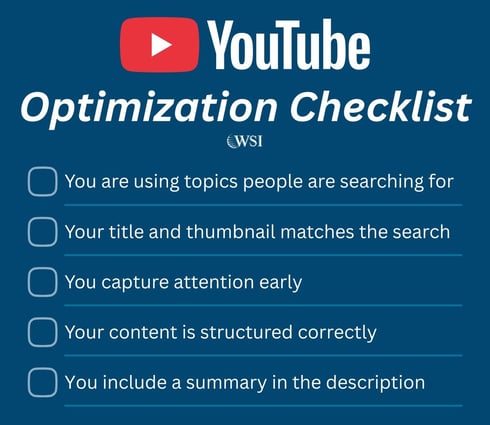
- Start with topics people are already searching for. Think "how to", "what is", or "best way to".
- Your title and thumbnail should match the search. Misleading titles or thumbnails may get clicks, but they reduce watch time and trust.
- Capture attention early. The first 10 to 15 seconds often decide whether someone keeps watching.
- Structure your content correctly. Introduce the topic, walk through it step by step, and summarize key points.
- Use your description to reinforce the content. A summary and relevant keywords help with visibility.
Focus on consistency. A steady flow of useful videos will perform better over time than trying to cover everything in one piece of content.
TikTok and Instagram
These platforms are vastly different from Google or YouTube. Instead of searching, users are scrolling. Your content appears based on interest.
To work well here:
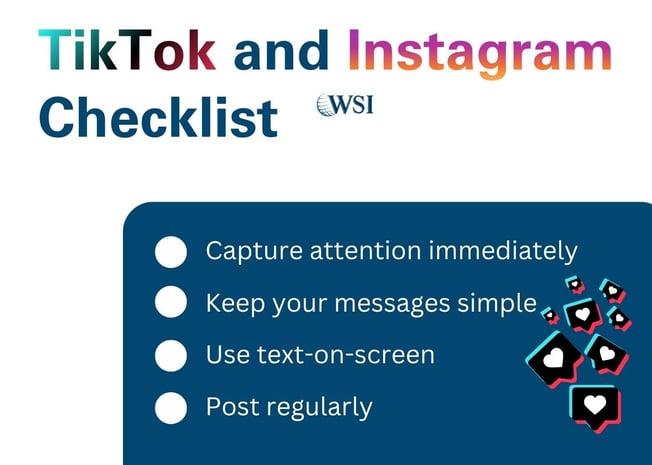
- You need to capture attention immediately.
- Keep your message simple, stick to one idea per video.
- Use text on screen, as most people prefer to watch without sound.
- Post regularly, visibility improves consistently.
Educational content can work well here, too, but it needs to be short and direct. Remember, people only have an average attention span of 8.25 seconds.
Amazon and Marketplaces
When thinking about where to increase visibility, marketplaces are often overlooked. That is a mistake. This is where people are close to buying. They are comparing options and looking for reassurance before making a decision. If you can provide that reassurance, you are in a strong position.
Your focus should be on conversions:
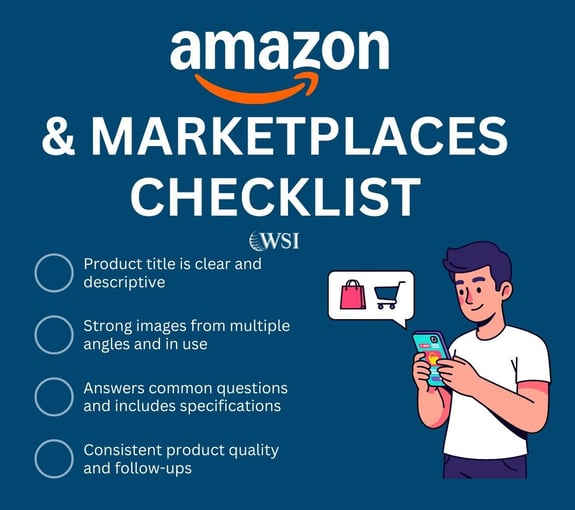
- Make your product title clear and descriptive. Include the key terms people would search for. On Amazon, for example, titles often include a variety of terms.
- Use strong images. Show the product from multiple angles and in real use. The product should always be clear and easy to understand at a glance.
- Answer common questions in your bullet points. Include details like dimensions, materials, and key benefits so buyers do not need to search elsewhere.
- Up to 98% of users read reviews before buying, so consistent product quality and follow-up matter.
Small changes can have a direct impact. Testing different images, titles, or descriptions can improve sales without needing more traffic.
AI Platforms like ChatGPT
Instead of showing a list of links, AI platforms are providing users with direct answers.
To show up here, your content needs to be easy to understand and trustworthy:
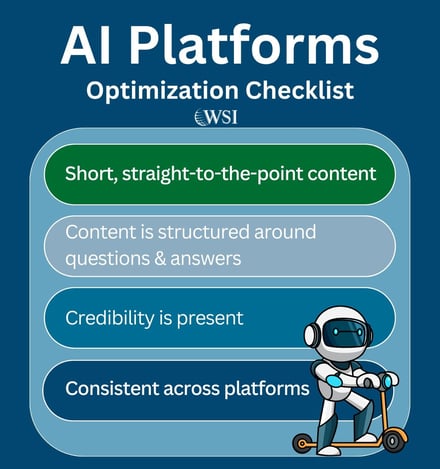
- Avoid long, complicated explanations. AI values short, straight-to-the-point content.
- Structure your content around questions and answers. This makes it easier for AI tools to extract information.
- Credibility is more important than ever. Include author information, real-life experience, and accurate details. When in doubt, refer to Google's E-E-A-T system (Experience, Expertise, Authoritativeness, and Trustworthiness)
- Be consistent across platforms; AI tools often pull from multiple sources to form answers.
You are not optimizing for rankings alone. You are optimizing to be referenced.
Bringing it all Together
Instead of trying to do too much at once, a better approach is:
- Pick two or three platforms where your audience is most active. A buyer persona comes in handy to identify your target audience and the platforms you can find them on.
- Create content that fits how those platforms work.
- Track metrics such as traffic, engagement, and leads.
- Adjust content based on what performs best.
Search Happens Everywhere, And Adaptive SEO Makes You Discoverable Anywhere
People don’t just “Google it” anymore.
They search LinkedIn for expertise, watch YouTube for how-tos, ask ChatGPT for summaries, and validate decisions on social. Meanwhile, AI systems analyze all of it, learning what to trust and what to show.
Adaptive SEO aligns your brand with this multi-platform discovery.
It focuses on:
- Consistent brand visibility across search, social, chat, and video
- Credibility signals that build trust across platforms
- Content structure that helps AI extract and reuse your insights
Search has become continuous, contextual, and cross-platform. Adaptive SEO makes sure your brand shows up wherever and however people ask.
The Future of SEO is Here
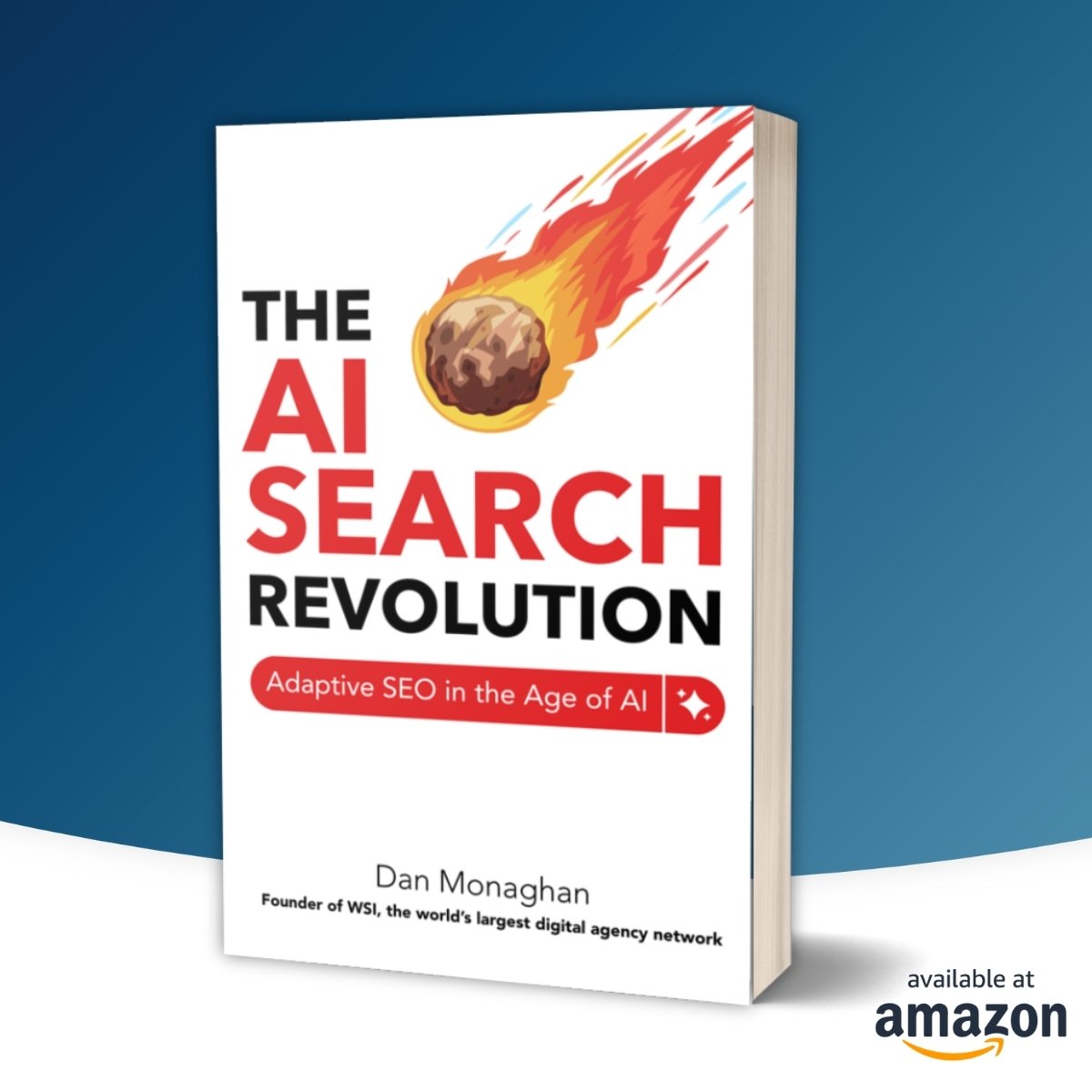
The AI Search Revolution: Adaptive SEO in the Age of AI
Written by WSI's Founder, Dan Monaghan, this book outlines a modern roadmap to help marketers and business owners shift from outdated tactics to AI-trusted strategies.
Get Your Free Preview NowDiscovery Is Ongoing, And AI Never Stops Learning
Search is a continuous cycle of research, validation, and decision-making, often across weeks or months.
AI systems learn from every interaction. The content you publish today may influence what shows up in answers weeks later.
That’s why early signals matter:
- Publishing consistently builds momentum
- Structured content gets indexed and reused faster
- Authoritative answers earn long-term visibility
Start now, because the brands AI sees first are the ones it reuses most.
AI Recognizes Entities, Not Just Pages
AI tools don’t just crawl pages—they map entities: your brand, authors, products, and topics.
To appear in AI Overviews or tools like ChatGPT and Perplexity, your brand must be recognized as a trusted entity.
Increase your entity visibility by:
- Using consistent names, bios, and brand descriptions across platforms
- Linking author profiles across your blog, LinkedIn, and guest posts
- Ensuring your About page and schema clearly define your organization
AI connects the dots across sources. Your goal: be unmistakably recognizable, everywhere.
Answers Outrank Assets in AI Search
In traditional SEO, content assets like ebooks and blogs drove visibility. In AI discovery, answers win. AI tools look for:
- Clear explanations of real questions
- Paragraphs, lists, or tables that resolve intent fast
- Content designed around user queries, not just brand messaging
A single, well-structured answer can outperform a 2,000-word blog if it addresses the right question with clarity.
Design your content to be liftable, scannable, and directly useful.
AI Delivers Personalization—Your Content Needs to Match
AI tools don’t just surface answers; they customize them to the user. That means your content must feel relevant at the individual level:
- Speak to specific buyer intents and pain points
- Avoid vague, one-size-fits-all language
- Segment messaging by audience type or use case
The more precisely your content aligns with user needs, the more often AI recommends you.
Become The Source AI Trusts And Cites
AI only surfaces sources that feel credible and verified. To earn trust from AI tools, your content must show:
- Real expertise (not summaries or AI-generated fluff)
- Clear authorship with bios, credentials, and consistent naming
- Verifiable facts backed by data, stats, or reputable research (McKinsey’s widely cited AI adoption studies illustrate this)
- Entity consistency across your website, LinkedIn, and third-party mentions
- External validation, like media features, guest articles, and podcast appearances
The earlier you build this trust, the more often AI cites you. Once AI systems associate a topic with a brand, that association compounds. Familiar sources are cited more frequently. New entrants face increasing barriers.
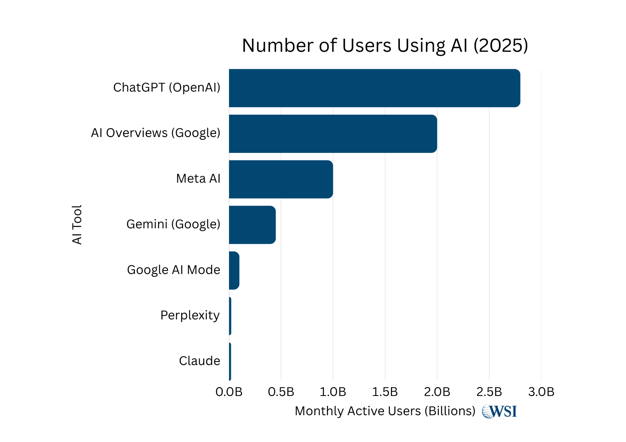
The opportunity remains open, but it is narrowing. Google's AI products now reach more than a billion users per month, with ChatGPT approaching a similar scale.
Structure Is What Makes Content AI-Liftable
Trust earns attention—but structure earns inclusion. Even credible sources get skipped if the content is hard to parse.
AI tools prioritize content that’s:
- Easy to segment
- Clear hierarchy
- Built to answer, not just inform
To make your content AI-liftable:
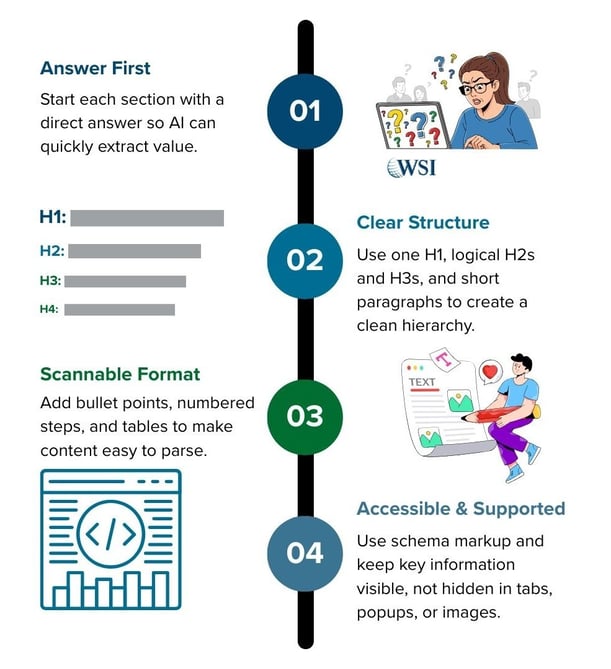
- Start with direct answers at the top of each section
- Use one H1, clear H2s and H3s, and tight paragraphs
- Add bulleted lists, numbered steps, and simple tables
- Use schema markup (FAQPage, HowTo) to support intent
- Avoid burying key info in tabs, popups, or images
Structure improves usability for both humans and machines—and visibility follows.
Microsoft research shows AI referrals increased sharply in 2025, driven by conversational interfaces. Structured content directly influences this visibility.
Your 30-Day Adaptive SEO Plan
You don’t need a complete rebuild to boost AI visibility—you need focused action. Here’s a step-by-step plan to kickstart Adaptive SEO in 30 days:
Days 1–5: Audit Your Current Visibility- Search your brand topics on Google AI Overviews, ChatGPT, and Perplexity.
- Note who’s getting cited—and where you’re missing.
- Update bios, About pages, and LinkedIn profiles.
- Align names, titles, and descriptions across all platforms.
- List key informational and comparison queries your buyers ask.
- Prioritize questions that trigger AI summaries.
- Lead with answers. Use H2s, bullets, and short paragraphs.
- Add FAQ schema or HowTo markup where relevant.
- Add stats, expert quotes, and third-party citations.
- Link content to real research and proven outcomes.
- Post insights on LinkedIn. Comment in relevant discussions.
- Contribute to industry media and podcasts.
The sooner you start, the faster trust and citations grow.
The Shift Leaders Cannot Ignore
AI systems now act as gatekeepers—summarizing, filtering, and recommending content before users ever click.
If your brand isn’t part of the answer, you’re not part of the decision.
Adaptive SEO is how you stay visible in this new environment. It focuses on:
- Becoming a trusted, recognizable entity
- Structuring content for AI extraction
- Showing up consistently across platforms, not just Google
- Visibility is now earned across the entire AI ecosystem
- Early action secures long-term authority
- Delay risks digital invisibility
Ready to lead in AI discovery? Our consulting team helps you turn strategy into visibility—across every search touchpoint.