Key Highlights
- Authority now determines who gets seen. Search visibility is shifting toward businesses that demonstrate real expertise and credibility.
- AI search is filtering before the click. Buyers are seeing fewer options as AI summarizes and prioritizes trusted sources early.
- Content volume is losing its impact. Publishing more pages without substance is no longer enough to maintain visibility.
- Credibility drives selection, not just rankings. Businesses are being evaluated on trust signals before users visit their website.
- Entire websites are being evaluated together. Google is assessing overall authority, not just the quality of individual pages.
- Generic and AI-written content is declining. Content without perspective or proof is losing ground across industries.
- Strong brands are gaining consistent visibility. Established expertise and clear positioning are leading to more stable search performance.
- Buyers are deciding earlier in the journey. First impressions now happen within search results, not on your website.
If your website traffic or lead flow shifted recently, there is a reason behind it. It is likely already affecting your pipeline, and it will not correct itself without a shift in strategy.
In March 2026, Google rolled out a broad core update that reshaped how visibility is earned in search. These updates happen regularly, but this one made something much clearer for business owners. The rules have changed in a way that directly impacts how your business shows up, gets found, and gets chosen.
This was not a technical adjustment happening quietly in the background. It was a meaningful recalibration of what types of content Google considers worth ranking and what businesses need to do to get found and chosen.
For many businesses, this exposed a gap between what they have been publishing and what actually earns trust. The result is content that consumes budget without generating a healthy pipeline or revenue. In many cases, this shows up as traffic holding steady while lead volume declines and cost per acquisition increases as paid channels are forced to compensate.
The content strategy that drove traffic last year is no longer enough to win new customers.
What Actually Changed in Search
Core updates tend to bring one thing into focus: how Google is redefining quality.
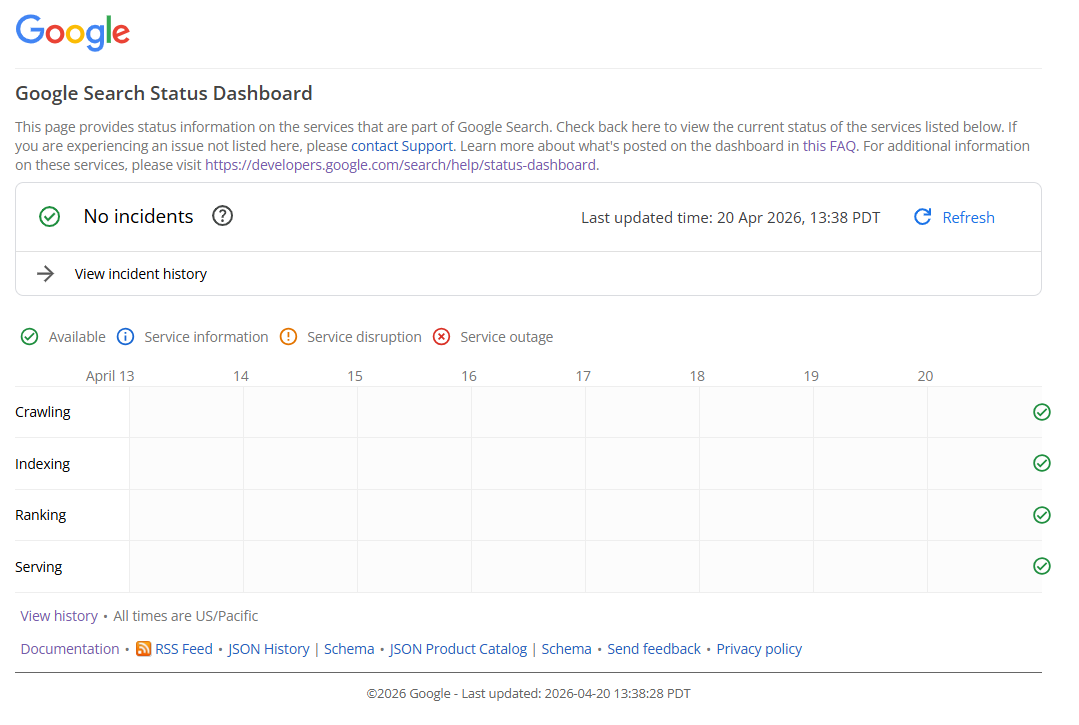
Google confirmed this broad core update through its official Search Status Dashboard, indicating ongoing improvements in how content is evaluated across the web. The dashboard is a reliable reference point for when meaningful ranking changes are underway, but the real insight comes from what actually moves during these periods.
The same patterns showed up across most industries.
Early tracking tools showed sharp swings in rankings during the rollout. According to Semrush Sensor, volatility levels spiked well above normal ranges during the update period.
Analysis from Search Engine Land and Sistrix pointed to a consistent pattern. High-volume, low-differentiation content, such as templated blog posts, keyword-variant pages, and AI-generated articles without original insight, saw the most significant declines.
Content written at scale without a clear point of view began to lose visibility. Such as templated blog posts, keyword-variant pages, and AI-generated content without original insight.
Sites most impacted included aggregator-style platforms, affiliate-heavy content sites, and businesses that scaled content production without adding real expertise or proof. In contrast, pages grounded in real experience and supported by examples, data, or outcomes showed far more stability, with specialist firms and established brands gaining ground.
This shift was not limited to individual pages. Entire sections of websites moved together, showing that Google is placing more weight on a business's credibility on a topic, not just on how well a single page is written or optimized.
In practical terms, this creates a noticeable split:
-
A services firm publishing 50 generic blog posts may have their website traffic hold steady, but see leads drop in quality (or altogether) because those pages don’t build trust.
-
A similar firm with fewer, experience-driven pages may generate less traffic, but receive higher-quality inquiries that require a shorter sales cycle.
Visibility no longer equals demand.
This changes how you compete to be considered, not just how you rank. Instead of individual pages competing in isolation, businesses are being evaluated based on their overall authority and consistency. The question is no longer “Is this page good enough?” It is “Does this business deserve to be a trusted answer here?”
If the answer is not clearly yes, rankings become difficult to sustain, regardless of how well the page is optimized.
This goes beyond rankings. Google is effectively deciding which businesses make it into consideration at all.
The Real Shift: From “More Content” to “More Credibility”
For the past two years, the dominant advice has been simple:
Publish more. Scale content. Use AI to move faster.
Many businesses did exactly that. A typical example is a company publishing dozens of keyword-focused blog posts or scaling AI-assisted content quickly, expecting volume to translate into more leads.
This update makes one thing obvious. Search is no longer rewarding who publishes the most. It’s rewarding who proves the most. Generic AI-written blogs, rewritten competitor content, and SEO-first pages without real insight are where the biggest drops are happening.
What’s actually holding up now:
- Content based on real work that helps buyers make decisions
- Clear, demonstrated expertise supported by proof
- Sites that show trust through examples, not claims
What’s struggling:
- Generic blog content written to rank
- AI-generated pages without perspective
- “SEO filler” content with no real insight
- Aggregated or middleman-style pages without original value
In practice, buyers choose the option that feels most credible first.
This shift has a measurable cost.
-
Content that doesn't convert still consumes budget
-
Sales teams spend more time qualifying poor-fit leads
-
Paid media has to work harder and cost more to fill the gap
What used to be a content strategy issue is now a margin issue.
What This Means for Getting Found and Chosen
Search visibility is becoming a reflection of how your business is perceived, not just how your pages are optimized. When that perception is weak, lead quality drops, conversion rates decline, and your pipeline becomes harder and more expensive to sustain.
What changed here runs deeper than rankings. It affects how potential buyers come across your business, evaluate it, and decide whether to engage.
1. Visibility Now Comes Down to the Business, Not Just the Page
Ranking now depends on more than just individual pages.
Google is evaluating:
-
How credible your business appears within a topic
-
How consistently you show expertise across your content
-
Whether your content actually helps someone move forward
That’s why entire sections of a site can move together. Visibility now reflects the strength of your overall presence, not just isolated wins.
2. Search Is Filtering Before the Click
Search results aren’t just a list of links anymore.
You’re now seeing:
- AI-generated summaries
- Aggregated answers
- More context presented upfront
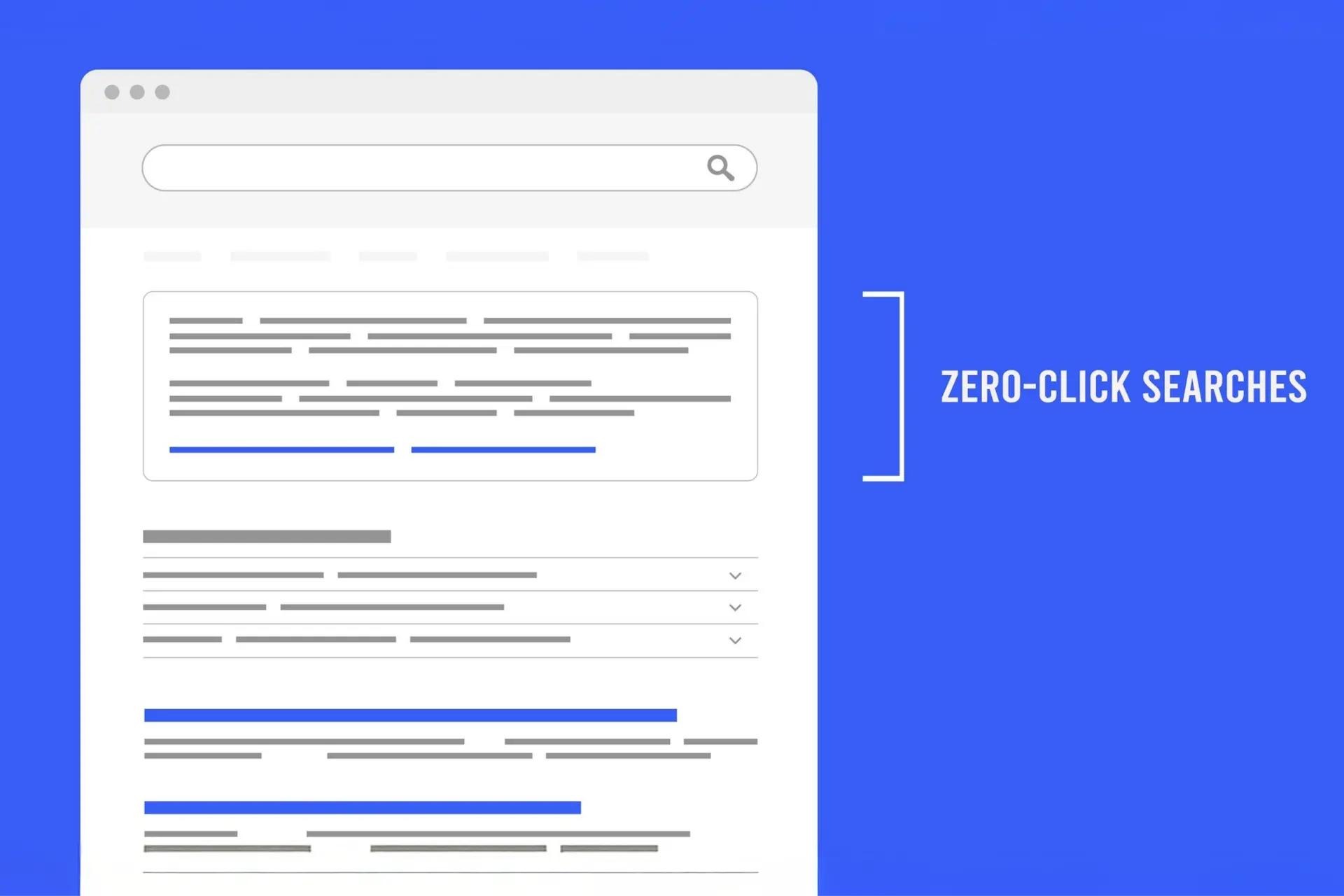
By the time someone clicks, options have already been filtered. Buyers have already formed a shortlist based on what they see in search. If your business is not included at that stage, you are unlikely to be considered.
3. Content Investment Is Being Tested
Over the past couple of years, many businesses scaled content to increase reach.
This update exposed what was already happening.
-
Content without depth struggles to hold attention
-
Content without proof struggles to build trust
-
Content without a clear perspective struggles to stand out
What looked like growth can stall fast, especially for teams that invested heavily in scaling content over the past 12–18 months, creating pressure to justify spend when the pipeline does not follow. Teams often see this as a growing gap between activity and results. More content is published, but conversion rates decline, and sales teams report lower-quality leads.
What the Strongest Businesses Are Doing Differently
The businesses gaining visibility aren’t producing more content. They’re making it easier for buyers to trust them.
Here’s what that looks like in practice:
They Show Their Expertise Clearly
- Named authors with clear, relevant experience
- Insights drawn from actual client work
- Unique perspectives competitors can’t easily replicate
Example:
A consulting firm replaces generic blog posts with insights from real client engagements. Instead of “Top Marketing Trends,” they publish “What Actually Improved Lead Quality for Our Clients in the Last 6 Months.” The result is fewer visits, but more qualified inbound inquiries.
They Show Proof
- Case studies tied to real outcomes (pipeline growth, reduced CPA, faster deal cycles)
- Data points that support their claims
- Before-and-after examples that make results tangible
Example:
Instead of saying “we improve SEO performance,” a company shows how organic leads increased by 35% while reducing cost per acquisition by 20%. That level of specificity builds confidence before a buyer reaches out.
They Go Deeper, Not Broader
- Fewer pages, with more substance
- Stronger coverage of core topics
- Clear, direct answers that move the reader forward
Example:
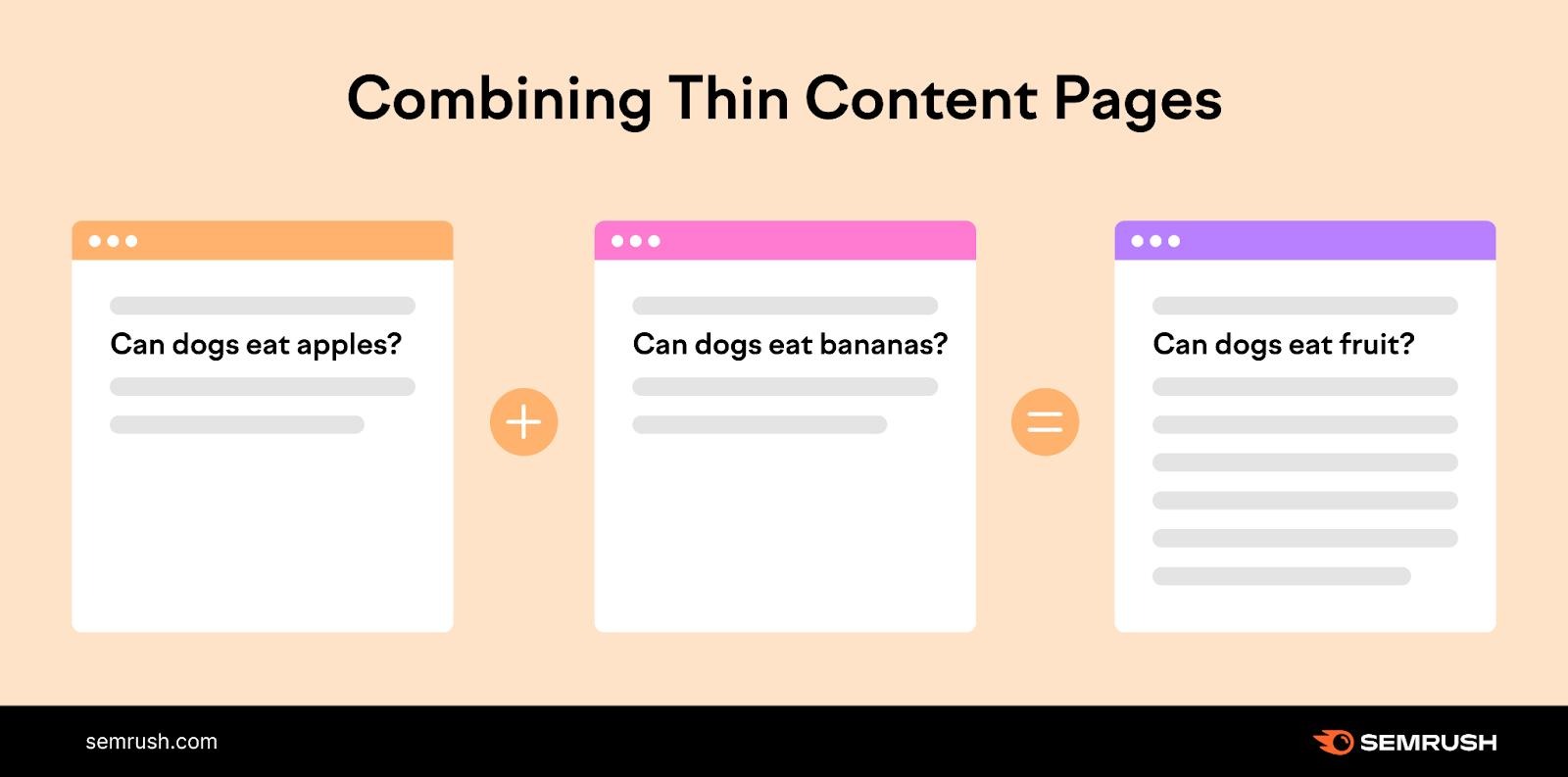
A B2B services company consolidates 15 thin blog posts into 3 in-depth guides tied to core services. Traffic drops slightly, but conversion rates improve because buyers find complete, credible answers in one place.
They Build Trust Into the Site
- About pages that explain who they are and what they stand for
- Transparent authorship and content ownership
- Consistent, credible messaging across pages
Example:
A firm adds real team profiles, client outcomes, and clear positioning across its site. Sales calls shift from basic qualification to deeper discussions because prospects arrive with more confidence.
These changes are not just about rankings. They directly influence:
-
Whether a buyer reaches out
-
How qualified they are when they do
-
How quickly they move through your sales process
This is what determines whether your content actually influences buying decisions.
Where to Focus Next
If your rankings moved, reacting too quickly usually makes things worse. The right response is focused and deliberate.
Start here:
1. Identify What Actually Changed
Look at:
- Which pages dropped or gained
- Whether the movement is tied to a specific topic or section
Focus on patterns, not isolated pages.
2. Audit for Real Value
Start with this question: Does this page help move someone closer to a decision?
Or does it simply restate what is already out there?
For example:
| Weak Content | Stronger, Decision-Driven Content |
| What is SEO? | How to evaluate if your SEO is actually driving revenue |
| Benefits of digital marketing | Which marketing channels are actually driving pipeline for businesses like yours |
| Top marketing trends | What is changing in search and what it means for your lead flow |
Pages that don’t move a buyer forward are the first to lose visibility.
3. Strengthen Your Most Important Pages
Spreading effort across dozens of weak pages is exactly what this update penalized. Focus on pages that matter most:
- Core service pages
- High-traffic content
- Key conversion paths
Improve them by adding:
- Real examples
- Clear expertise
- Stronger answers early in the page
4. Reduce Content Clutter
More pages can now actively hurt performance if they dilute credibility. In many cases, fewer stronger pages perform better.
Look to consolidate:
- Overlapping content
- Thin or low-value pages
- Redundant topic coverage
Stronger, more complete pages tend to perform better over time.
5. Think Beyond Rankings
Search is evolving quickly. And it’s not slowing down.
Winning now looks like:
- Being referenced in AI-generated answers
- Building clear topical authority
- Becoming a trusted source in your space
This resets what winning in search actually looks like.
From Ranking Pages to Earning Selection
Search is getting better at deciding who to trust before a buyer ever reaches your website, shaping which businesses get seen, considered, and ultimately chosen.
Across multiple industry analyses, the pattern is consistent. Visibility is shifting toward businesses with real expertise, while generic and intermediary content is steadily losing ground.
AI is shaping what gets surfaced. Fewer options make it to the click. And the sources that do show up tend to look the same: clear, credible, and grounded in real expertise.
For business owners, that’s the real takeaway.
If search is deciding before the click, optimizing pages isn’t enough. You need to be visible everywhere decisions are being shaped. This is exactly why we’ve been focused on Adaptive Search Everywhere Optimization at WSI.
The goal isn’t to optimize pages in isolation. It’s to make your business consistently recognizable as a credible source across search and AI-driven experiences.
If you look at the broader direction of search, that’s exactly where things are going.
A Clearer Way to Think About What’s Changing
If you want a deeper look at where this is heading, The AI Search Revolution: Adaptive SEO in the Age of AI breaks it down in practical terms.
Search has moved beyond a list of links. It now works more like a system that interprets, filters, and decides what gets seen.
You’re no longer competing to appear. You’re competing to be selected.
And selection happens before most buyers ever reach your website.
Most businesses don’t have a content problem. They have a credibility problem. Their content doesn’t clearly reflect the expertise behind the business.
That’s where an objective view helps.
If you want to see where your current strategy is costing you leads, opportunities, and budget, a WSI consultant can identify what’s working, what isn’t, and what to fix first.