
Key Highlights
- How to write opening lines that address objections and keep visitors on the page
- How to use specific social proof to build trust and support buying decisions
- How to improve calls-to-action so more visitors take the next step
- How to simplify your copy so it is easier to read and act on
- How to structure offers that reduce risk and increase conversions
- How small copy changes can improve performance without increasing your budget
Words sell. The right ones transform casual visitors into loyal buyers, while the wrong ones let potential revenue slip away.
As a business owner, you want clear, actionable strategies that drive sales and practical tools to justify budget spending. Both business owners and marketing heads alike know this well, yet crafting persuasive copy that drives action isn’t always straightforward. These copywriting tips and tricks will help you focus on what actually drives results.
Minor tweaks often make a massive impact. Here are five conversion-boosting copywriting hacks designed to increase sales, justify marketing spend, and ensure every word works harder for you and your business.
1. Open with an Objection-Busting Hook
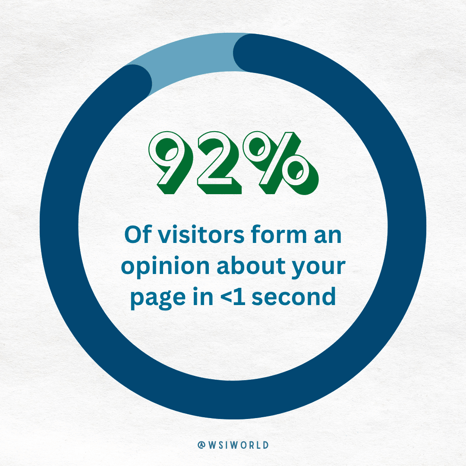
Leading with product features sucks: but leading with benefits is always best. But… prospects always arrive with doubts. Addressing them immediately builds trust and keeps attention locked in. Visitors form an opinion about your page in under a second, and research from Nielsen shows 92% of consumers trust messaging that reflects real concerns over generic claims. Instead of leading with generic benefits, tackle a common hesitation head-on.
Example:
❌ "Our software simplifies project management."
✔️ "Tired of project management tools that overcomplicate everything? Ours cuts the clutter so teams get more done."
This approach mirrors the reader’s frustration, validates their concerns, and positions your solution as the answer. When marketing budgets need justification, higher engagement rates from hooks like these strengthen the case.
Once you capture attention, the next step is building trust.
2. Inject High-Impact Social Proof
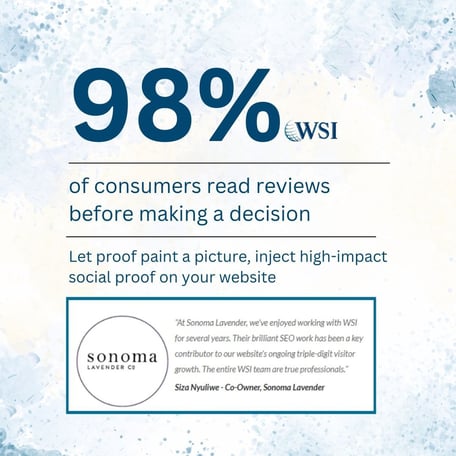
Skepticism kills conversions, and selective buyers trust other buyers more than businesses. Leveraging proof—especially proof that tells a story—erases doubt and adds credibility. In fact, 98% of consumers read reviews before making a decision.
Numbers work, but specificity wins. Instead of saying "Trusted by thousands," let proof paint a picture.
Example:
❌ "Our coaching program has helped thousands."
✔️ "After implementing our strategies, Jake boosted his monthly revenue by 47% in 60 days—with no ad spend."
Adding this level of detail is one of the most effective tips for copywriting when you want to build trust quickly.
Adding real names, concrete numbers, or timelines strengthens persuasion. For business owners, quantifiable proof helps defend campaign spending and ROI.
3. Make Calls-to-Action Irresistible
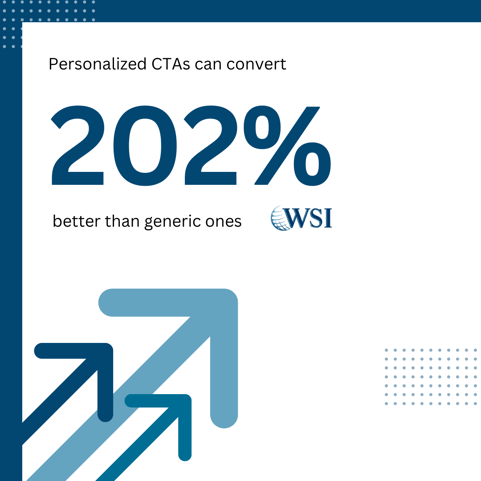
Weak calls-to-action (CTAs) create hesitation. When buttons say “Submit” or “Click Here,” they fail to inspire. Data from HubSpot shows personalized CTAs can convert 202% better than generic ones. A compelling CTA amplifies urgency and emotional connection. Urgency is when you want your prospect to do something now! Like right now!
Emotional connection is vital since most purchasing decisions are made out of emotion. Then, we later use facts and logic to back up our emotional choice.
Consider upgrading your CTAs with:
- Benefit-driven phrasing: "Get My Free Growth Plan."
- Urgency triggers: "Start Scaling Today."
- Risk reversals: "Try It Free—No Credit Card Needed."
Testing variations of CTAs directly impacts conversions. A minor tweak—like changing "Buy Now" to "Get Yours Before It’s Gone"—often justifies marketing spend with better performance data.
4. Simplify, Then Simplify Again
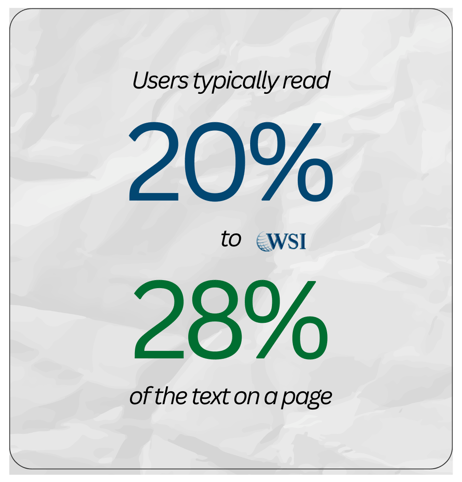
Long, complex sentences lose readers. Shorter ones increase clarity and actionability. Users typically read only 20% to 28% of the text on a page, according to NN Group. When the copy feels dense, simplify. Read it out loud. If it sounds unnatural, rewrite it. A proven trick: Remove unnecessary words without losing meaning.
Example:
❌ "We provide businesses with innovative solutions designed to improve efficiency and drive growth."
✔️ "Our solutions help businesses grow—fast."
Cleaner writing keeps readers engaged. The easier it is to read, the easier it is to buy.
5. Create a “Can’t Say No” Offer
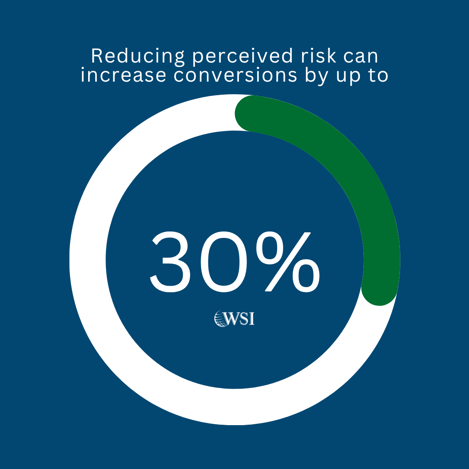
Smart copy sells, but an irresistible offer closes. Buyers hesitate when the risk feels higher than the reward—smart copy shifts the balance. Reducing perceived risk, like adding guarantees, can increase conversions by up to 30%, based on research from Invesp.
Consider adding content that highlights offer-enhancing tactics:
- Add a risk reversal: "Love it or get 100% of your money back—no questions asked."
- Bundle value: "Get a $200 bonus when you sign up today."
- Make a unique guarantee: "See results in 30 days—or we work with you for free until you do."
When an offer removes risk, conversions soar. For business leaders, high-converting offers strengthen the case for budget increases.
Improve Your Copywriting Technique
Conversion-driven copywriting isn’t about more words—it’s about the right ones. Address objections upfront, stack proof, refine CTAs, simplify relentlessly, and craft offers that make buying a no-brainer.
Implement these five hacks, watch engagement rise, and see revenue follow.
Want to boost conversions even further? Test, tweak, and optimize—because small changes lead to big results. Need help with your copywriting? Request a free copy review and see where your messaging is losing conversions.