Key Highlights:
- Reduce time spent on repetitive marketing tasks
- Improve content output and consistency
- Increase campaign performance with better targeting
- Use automation to scale without increasing team size
- Start small and build AI into your workflow over time
Many business owners and marketing leaders are trying to solve the same problem: how to keep up with the growing demands of marketing without overloading their teams.
AI is now one of the most reliable ways to lighten that load, not because it's trendy, but because it removes friction from the daily work your team does every single day.
At WSI, we’ve seen this firsthand. Across industries and company sizes, the same pattern holds: once teams automate the low-level tasks cluttering their workflow, they gain hours back each week and finally have room to focus on strategy, creativity, and performance.
In this article, you will learn how to use AI in marketing in a practical way, which areas deliver the most impact, and how to streamline your marketing operations without losing the human touch.
What is AI Marketing?
AI marketing is the use of artificial intelligence to plan, execute, and improve your marketing efforts. This helps you make better decisions faster by using data, automation, and predictive insights.
What are AI Marketing Tools?
These are software platforms that use artificial intelligence to improve how you attract, engage, and convert customers. They help you automate tasks, analyze data, and make smarter marketing decisions. They act as assistants that support your marketing team, without replacing it.
Best AI Marketing Tools
Here are the top AI marketing tools you should start using:
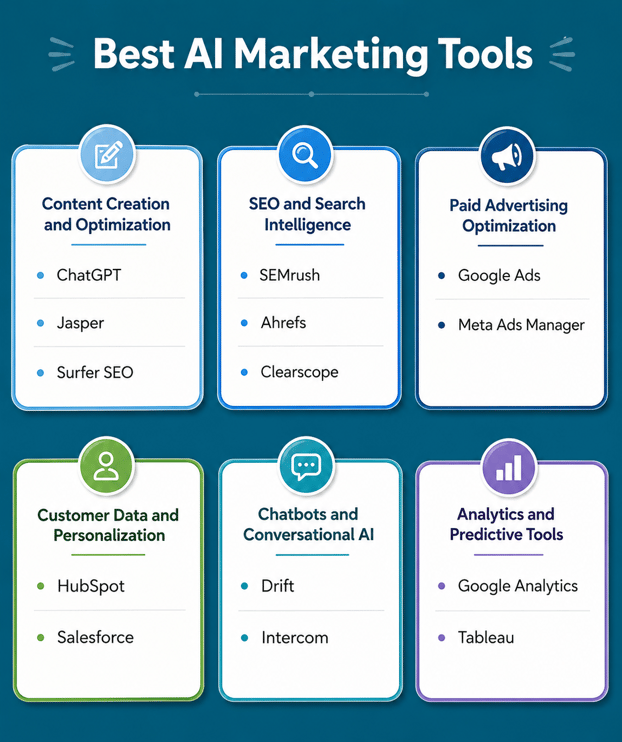
Content Creation and Optimization
- ChatGPT for drafting blogs, emails, and ideas
- Jasper for long-form and ad copy
- Surfer SEO for improving search visibility
These tools help you plan, write, and improve content.
SEO and Search Intelligence
- SEMrush for keyword research and audits
- Ahrefs for competitor insights
- Clearscope for content relevance
These tools analyze search data and competitor performance.
Paid Advertising Optimization
- Google Ads uses AI for smart bidding and audience targeting
- Meta Ads Manager optimizes campaigns based on user behavior
AI helps manage bids, targeting, and performance.
Customer Data and Personalization
- HubSpot for email automation and lead tracking
- Salesforce for predictive insights and customer journeys
These tools unify customer data and personalize experiences.
Chatbots and Conversational AI
These tools handle customer interactions in real time.
Analytics and Predictive Tools
- Google Analytics for tracking user behavior
- Tableau for deeper insights
These tools help you understand performance and forecast results.
Most teams do not need all of these tools at once. Start with content and reporting, then expand into CRM and automation.
Why AI Is Becoming a Core Part of Modern Marketing
Marketing has become a volume game and a precision game. You’re expected to publish more content, respond faster, personalize everything, and prove results—all while budgets stay tight and teams stay lean.
AI eases that pressure by helping your team work at a pace entirely different from yours. You’re not asking each person to produce more; you’re removing the bottlenecks that slow them down.
From our consulting work, we’ve consistently seen three major benefits:
- AI shortens time-to-output: A content draft that took hours now takes minutes. A weekly performance report that took half a day becomes an automated summary delivered to your inbox.
- AI centralizes fragmented processes: Teams no longer bounce between tools, spreadsheets, and emails. AI brings data and workflows into one place, making marketing operations more consistent.
- AI enhances accuracy: Predictive analytics, automated insights, and dynamic segmentation reduce guesswork and help teams make better decisions.
The result isn’t just “working faster”—it’s working with more confidence, fewer errors, and a lot less stress.
Benefits of AI Marketing
Better Targeting and Segmentation
AI helps you make better decisions by using data to understand your audience more clearly. You can identify patterns in customer behavior and target the right people at the right time, which leads to higher-quality leads and more efficient campaigns.
Personalization at Scale
AI allows you to personalize content, emails, and offers to individual users based on their interests and actions. This level of relevance improves engagement and increases the chances that someone will take action, whether that is filling out a form or making a purchase.
Faster and Smarter Decision-Making
AI also improves speed and efficiency. It can analyze large amounts of data in real time and highlight what is working and what is not. This means you can adjust campaigns quickly, reduce wasted budget, and focus on tactics that deliver results.
Time Savings Through Automation
With automation, email follow-ups, lead scoring, and customer responses can run without constant manual input. This saves time and allows your team to focus on strategy, planning, and creative work that drives growth.
Stronger Content Performance
AI supports better content performance by suggesting topics, optimizing content, and testing different versions of messaging. With ongoing refinement, your content becomes more effective at attracting and converting your target audience.
Predictive Insights
AI can forecast trends, identify which leads are more likely to convert, and highlight risks like customer churn. This helps you act earlier and make more informed decisions, which strengthens long-term marketing performance.
How to Use AI in Marketing Across Your Workflow
Below are the most impactful areas we optimize when we work with clients. These recommendations are based on real implementation experience across retail, professional services, healthcare, finance, manufacturing, and more.
1. Content Creation: From “Blank Page Panic” to Strategic Efficiency
For most teams, content is both essential and time-consuming. That’s why it’s often the first place AI makes an immediate difference.
How AI Helps
AI can draft outlines, brainstorm ideas, repurpose long-form content, and create variations of ads, social posts, and emails. The key is using AI as a partner in the process, not a replacement.
What WSI Recommends
At WSI, we typically start with a simple exercise: Map your content funnel and identify the tasks that consistently cause delays.
For many teams, it’s research, first drafts, and repurposing. Once those steps are automated, content creation becomes measurably faster.
For example, one of our professional services clients reduced their newsletter production time from 6 hours to under 2 hours using a structured AI-assisted workflow we designed. The quality didn’t dip—their team just stopped spending time on formatting, rewriting, and idea generation.
Where Humans Stay Essential
Editing, storytelling, and aligning content with brand strategy remain human-led. AI removes friction, but your voice and judgment stay intact.
2. Social Media: Maintaining Consistency Without Burning Out Your Team
Social media places unfair demands on marketing teams: stay relevant, stay timely, stay creative — and do it every day. AI lightens that load significantly.
How AI Helps
AI can plan content calendars, suggest post ideas, write captions, identify trending topics, and even optimize post timing. But more importantly, it handles the behind-the-scenes tasks that eat up time.
What WSI Recommends
We often help clients build a “content machine” where:
- AI drafts the weekly posts,
- The marketing lead reviews and customizes them,
- Social scheduling tools handle the publishing and analytics.
This hybrid workflow gives teams consistency without the burnout.
For one retail brand in our network, this shift saved their team over 10 hours a month, time they reinvested in campaign ideation and community engagement.
3. Email Marketing & Lead Nurturing: Scaling Personalization Without Complexity
Email continues to deliver one of the strongest ROIs of any marketing channel, but personalization requires time—or automation.
How AI Helps
AI can segment audiences, draft entire nurture tracks, analyze behavior patterns, and identify which leads are closest to conversion.
What WSI Recommends
We encourage clients to start with a simple two-part approach:
-
Automate segmentation using customer behavior.
-
Use AI to draft variations of key email flows: welcome sequences, abandoned cart messages, event follow-ups, etc.
This combination improves engagement without making your email marketing feel robotic.
One B2B tech company we worked with saw a 22% increase in email open rates after implementing AI-based subject-line testing. Small change, big payoff.
4. SEO & Content Intelligence: Keeping Up With a Fast-Changing Search Landscape
SEO is evolving fast — especially with AI-generated overviews appearing in search results.
How AI Helps
AI platforms can perform keyword clustering, competitive gap analysis, internal linking suggestions, and real-time SERP analysis.
What WSI Recommends
We guide clients to use AI for:
- Rapid keyword research
- Automated optimization recommendations
- Identifying content that needs refreshing
- Building internal link maps
But we always emphasize a human-led review step so your strategy stays aligned with business priorities.
SEO is no longer about volume; it’s about precision. AI helps you get there faster.
5. Analytics & Reporting: Turning Data Chaos Into Clarity
Every marketing team struggles with reporting at some level. Data lives in too many places, and monthly reporting cycles become a scramble.
How AI Helps
AI can unify data across platforms, summarize trends, forecast results, and flag anomalies — automatically.
What WSI Recommends
One of our most popular improvements is building an automated reporting pipeline customized to a client's KPIs. Teams receive weekly summaries with:
- What improved
- What dropped
- Why it happened
- What to do next
It’s like having a marketing analyst working behind the scenes 24/7.
Recently, a manufacturing client reduced their monthly reporting time from 12 hours to 30 minutes. Their leadership team now receives consistent, insight-driven reports without the end-of-month rush.
What are the Challenges of AI in Marketing?
If you ignore these, you risk wasting budget, poor customer experience, or even legal issues. Here are the key challenges you need to manage.
Data Quality and Availability
AI depends on accurate and well-structured data. If your data is incomplete, outdated, or inconsistent, the outputs will be unreliable. You need to fix your data first to ensure proper targeting and strong campaign performance.
Integration with Existing Systems
AI tools need to connect with your existing systems, like your CRM, website, and ad platforms. If these systems do not work well together, you end up with silos and limited visibility, which reduces the effectiveness of automation and reporting.
Skills and Expertise Gap
AI tools are easier to access than ever, but using them properly still requires strategy and oversight. Your team needs to understand how to interpret outputs, adjust campaigns, and maintain brand consistency. Without the skills, you risk relying too heavily on automation without clear direction.
Cost and ROI Uncertainty
While many tools offer strong value, there are costs related to software, setup, training, and ongoing management. If you do not define clear goals and KPIs, it becomes difficult to measure return on investment.
Over-Automation
It is tempting to automate everything, but this can lead to generic messaging and a loss of brand voice. Customers still expect human, relevant communication. AI should support your marketing, not replace the human element.
Privacy and Compliance
AI often relies on customer data, which must be handled responsibly. Regulations and standards require you to be transparent about how data is collected and used. Failing to manage this properly can damage trust and expose your business to legal risk.
Bias and Ethical Concerns
If the data used to train AI systems is biased, the results will reflect that bias. This can affect targeting, messaging, and customer experience in ways that harm your brand.
AI Marketing Examples
Companies like Amazon use AI to suggest products based on browsing and purchase behavior.
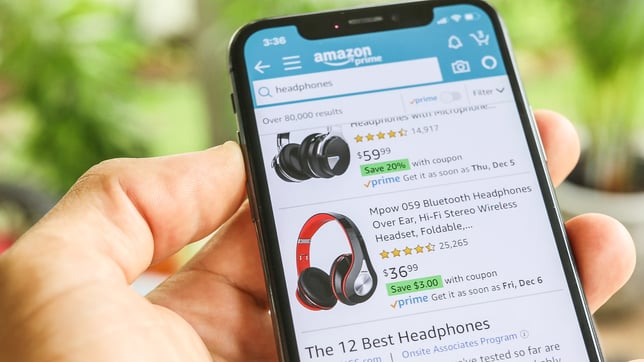
They:
- Track user behavior in real time
- Recommend products based on similar users and past actions
- Show dynamic “frequently bought together” bundles
1. Content Personalization in Streaming
Streaming services, like Netflix, use AI to customize what each user sees.

They:
- Customize thumbnails and titles based on user preferences
- Recommend content based on viewing history
- Continuously adjust suggestions
2. AI Chatbots for Customer Support
Brands like Sephora use AI chatbots to assist customers.
They:
- Answer product questions instantly
- Recommend products based on preferences
- Book appointments or guide purchases
3. AI in Paid Advertising Optimization
Platforms like Google Ads use AI to optimize campaigns automatically.
They:
- Adjust bids in real time based on user intent
- Optimize ad placements and targeting
- Test multiple ad variations automatically
4. Email Marketing Personalization
Spotify uses AI to send highly personalized emails.
They:
- Send personalized playlists and insights
- Use listening data to drive engagement
- Create shareable, engaging content
5. Dynamic Pricing and Offers
Companies like Uber use AI to adjust pricing based on demand.
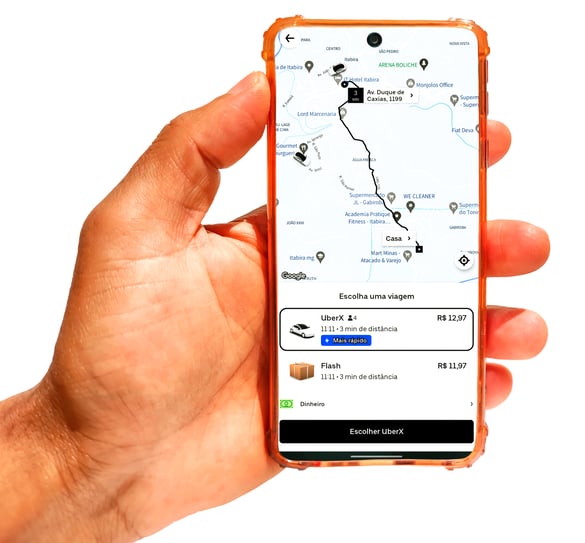
They:
- Increase or decrease prices based on demand
- Optimize supply and demand balance
- Encourage action during peak times
6. Visual Search and Image Recognition
Pinterest uses AI for visual discovery.
They:
- Allow users to search using images
- Recommend similar products visually
- Improve product discovery
A Practical Roadmap for Streamlining Your Workflow With AI
Too many businesses buy AI tools without a plan and end up feeling overwhelmed. The key is implementing AI in phases, not all at once.
Here’s the approach we use when guiding clients through AI adoption.
Step 1: Identify the Friction Points in Your Workflow
Instead of choosing tools first, map your processes:
- Where do tasks pile up?
- Where are errors most common?
- What causes your team to “context switch” all day?
This gives you clarity on where AI will create the fastest value.
Step 2: Start With Low-Risk Automation
Begin with tasks that:
- Don’t require sensitive data
- Don’t affect compliance
- Don’t interrupt customer-facing operations
This builds team confidence and early wins.
At WSI, we often begin with reporting automation, content ideation, or SEO research.
Step 3: Build Team Capability, Not Dependency
Training is essential. We help teams learn:
- How to write effective prompts
- How to maintain brand consistency
- How to audit AI-generated outputs
- How to use AI responsibly
Your marketing stays human—AI just accelerates the work.
Step 4: Integrate and Scale
Once the workflow is working, you can connect tools to your CRM, CMS, advertising platforms, and analytics.
This is where the “invisible efficiency” happens — the background tasks run automatically so your team can focus on strategy.
Once the pilot works, look at how AI fits into:
- Your content calendar
- Your CRM
- Your marketing automation platform
- Your reporting structure
- Your collaboration tools
The goal is smooth, repeatable processes—not random one-off uses.
Find Out Where AI Can Improve Your Marketing
AI doesn’t replace your marketing team; it unlocks their potential. You remove repetitive tasks, speed up the work that matters, and give your team more time for creativity, strategy, and growth.
If you want help streamlining your marketing workflow, WSI can walk you through the exact steps we use with clients worldwide.
Book a 15-minute call. No sales pitch, just insights.